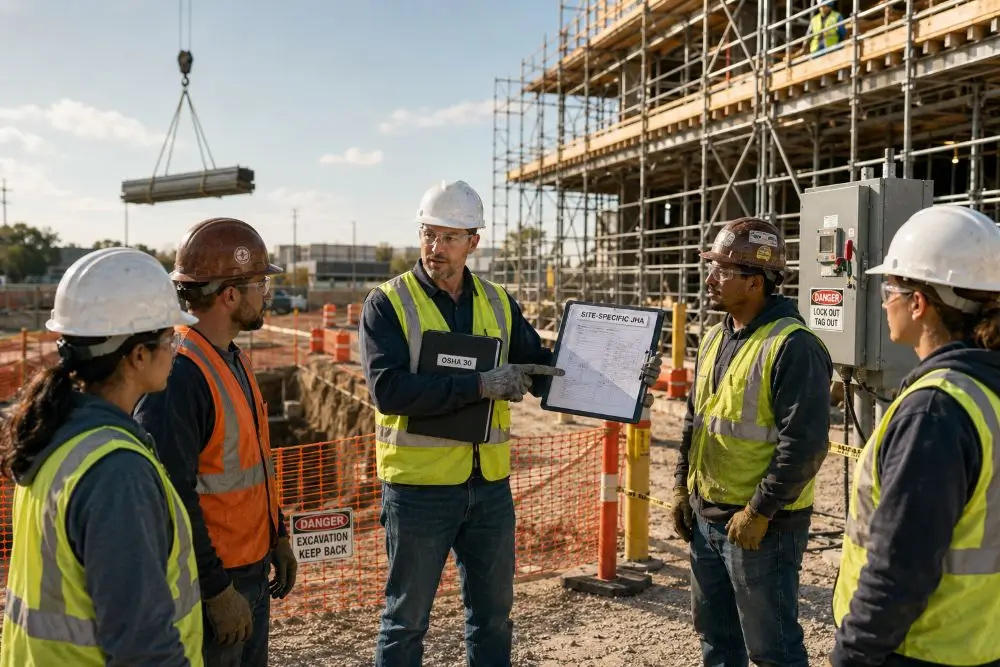
Data centers have become the backbone of today's digital economy, powering everything from cloud computing and artificial intelligence (AI) to streaming services, online banking, and connected devices. As demand for computing capacity continues to surge in 2026, organizations are investing billions of dollars in building new hyperscale and edge data centers at an unprecedented pace. While this rapid expansion is driving innovation, it also introduces increasingly complex construction environments where worker safety must remain a top priority.
Unlike conventional construction projects, data center construction involves high-voltage electrical systems, intricate mechanical infrastructure, heavy equipment installations, confined spaces, and multiple specialized contractors working simultaneously under tight deadlines. These factors create unique safety risks that require careful planning, strict adherence to OSHA regulations, comprehensive training, and proactive hazard management. A single oversight can result in serious injuries, costly project delays, or damage to critical infrastructure. Read on the blog to explore more about the key safety challenges facing data center construction projects in 2026 and all about OSHA safety standards.
Why Data Center Construction Is Booming in 2026
The rapid adoption of artificial intelligence (AI), cloud computing, and data-intensive technologies has fueled an unprecedented demand for modern data centers in 2026. Organizations across industries are expanding their digital infrastructure to support AI model training, real-time analytics, Internet of Things (IoT) devices, and cloud-based applications. As a result, hyperscale facilities capable of handling massive computing workloads and smaller edge data centers designed to process data closer to end users are being built at record speed to meet growing performance and connectivity needs.
To keep pace with this demand, major technology companies and data center developers are investing billions of dollars in new construction projects worldwide. Aggressive project timelines have become the norm, requiring multiple contractors and specialized trades to work simultaneously on complex electrical, mechanical, and structural systems. While these accelerated schedules help bring facilities online faster, they also increase workforce demands and create additional safety challenges, making careful planning, coordination, and robust safety management more important than ever.
Why Data Center Construction Is Different from Traditional Construction
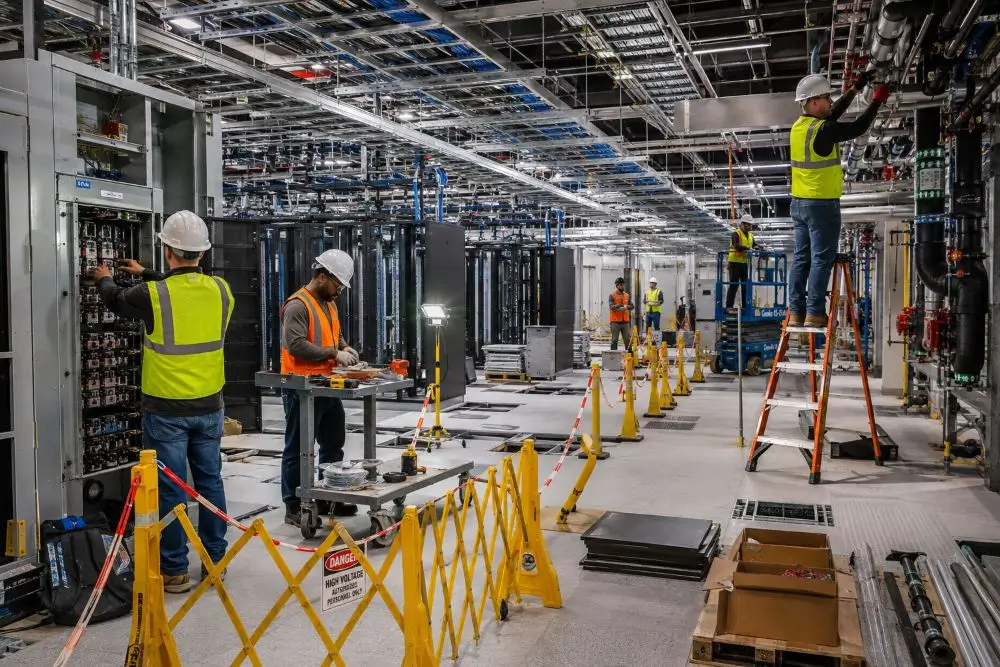
Data center construction is far more complex than conventional commercial or industrial building projects. Instead of focusing primarily on the structure itself, these facilities are designed to support mission-critical operations that must run continuously with minimal downtime. Construction teams work around sophisticated electrical distribution systems, backup generators, uninterruptible power supplies (UPS), cooling infrastructure, and extensive network cabling, all of which require precise installation and rigorous safety controls. Even minor errors can compromise system reliability, delay project completion, or create serious safety hazards.
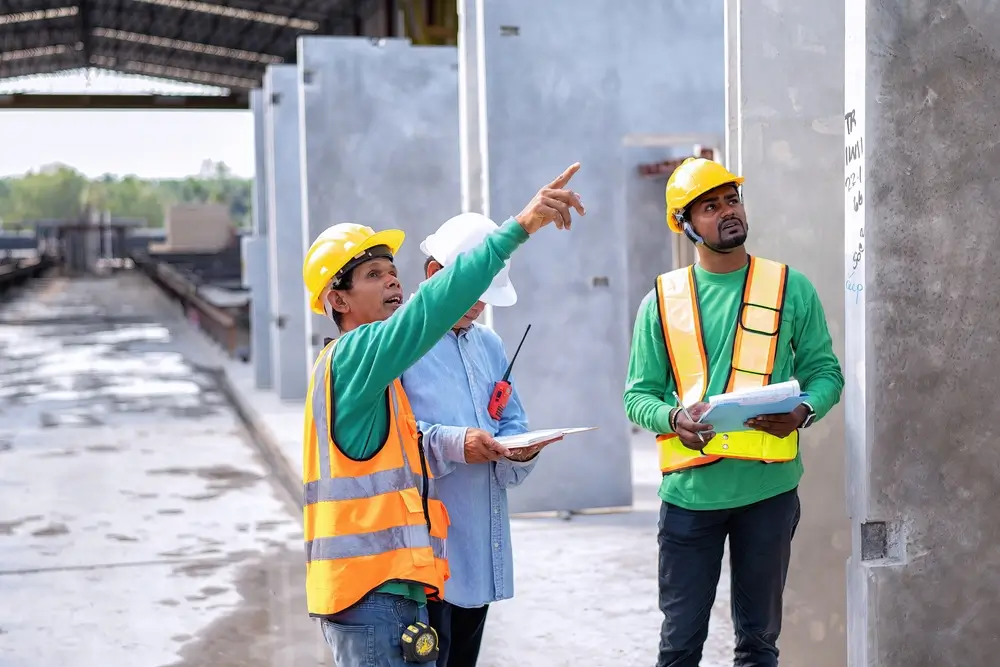
In addition to the technical complexity, data center projects involve installing high-value equipment in secure, access-controlled environments while coordinating multiple specialized trades working simultaneously. Electrical, mechanical, structural, fire protection, and information technology teams must closely collaborate to meet strict quality standards and demanding construction schedules. This level of coordination, combined with stringent safety requirements and limited room for error, makes comprehensive planning, effective communication, and proactive risk management essential throughout every phase of construction.
The Biggest Safety Risks During Data Center Construction
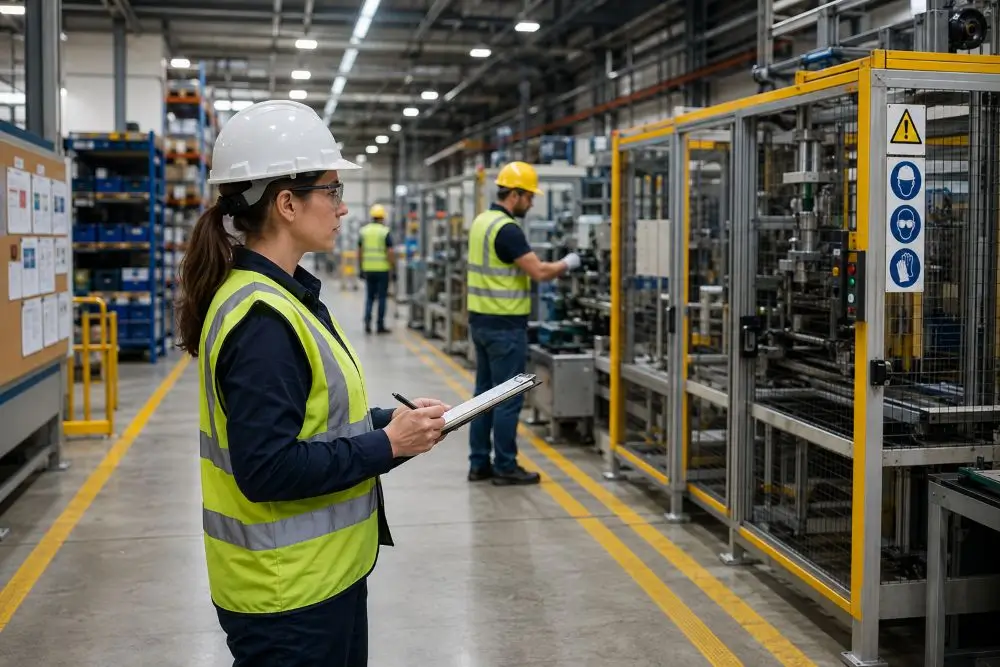
Data center construction projects present a unique combination of hazards that extend beyond those found on conventional construction sites. Workers are often exposed to high-voltage electrical systems, heavy lifting operations, elevated work areas, confined spaces, and complex mechanical installations - all while operating under demanding schedules. The simultaneous involvement of multiple contractors and specialized trades further increases the potential for workplace incidents if hazards are not properly identified and controlled.
Understanding the most common safety risks is the first step toward preventing injuries, maintaining regulatory compliance, and ensuring project success. By recognizing these hazards early and implementing appropriate safety measures, employers can create a safer work environment, minimize costly delays, and protect both workers and the critical infrastructure being built. Below are the primary safety risks that construction teams should address throughout every phase of a data center project.
Electrical Hazards
Electrical hazards are among the most significant risks during data center construction due to the presence of temporary power systems, energized equipment, and high-voltage installations. Workers may also face arc flash incidents that can cause severe injuries if proper precautions are not followed. Strict Lockout/Tagout (LOTO) procedures, regular inspections, and electrical safety training are essential to prevent accidental energization and protect workers.
Working at Heights
Many data center construction activities require workers to install structural steel, cable trays, roofing systems, and overhead infrastructure at elevated heights. Without proper fall protection, these tasks can result in serious or fatal injuries. Using guardrails, personal fall arrest systems, secure ladders, and regular equipment inspections helps minimize fall-related risks.
Heavy Equipment and Material Handling
The installation of generators, transformers, cooling units, and other large components requires cranes, forklifts, and specialized rigging equipment. Improper lifting techniques, equipment failures, or poor communication between operators and ground personnel can lead to serious accidents. Safe lifting plans, trained operators, and routine equipment inspections are critical for preventing material handling incidents.
Confined Spaces
Construction crews may need to work in utility tunnels, cable vaults, mechanical rooms, and other confined spaces where hazards are not always visible. These environments can present risks such as limited entry and exit points, poor ventilation, and oxygen-deficient atmospheres. Proper confined space permits, atmospheric testing, continuous monitoring, and emergency rescue plans are essential for worker safety.
Heat Stress
Many data center projects involve prolonged outdoor work, especially during warmer months, where workers wear PPE that can increase body heat and reduce cooling. Long shifts and physically demanding tasks further elevate the risk of heat exhaustion and heat stroke. Employers should provide hydration, shaded rest areas, scheduled breaks, and heat illness training to reduce these risks.
Fire and Explosion Risks
Activities such as welding, cutting, and other hot work can ignite combustible materials if proper controls are not in place. Temporary fuel storage, flammable gases, and construction debris can further increase the likelihood of fires or explosions. Implementing hot work permits, maintaining fire extinguishers, and following strict fire prevention procedures help protect workers and the job site.
Slips, Trips, and Falls
Temporary cables, uneven walking surfaces, wet floors, scattered tools, and construction debris are common causes of slips, trips, and falls on data center projects. Although often overlooked, these incidents can result in sprains, fractures, and lost work time. Good housekeeping practices, proper cable management, adequate lighting, and routine site inspections significantly reduce these everyday hazards.
New Safety Challenges in 2026
As the demand for AI infrastructure and cloud computing continues to grow, data center construction projects are becoming larger, more complex, and significantly faster-paced than ever before. Developers are under pressure to complete facilities quickly, leading to compressed construction schedules and multiple work activities occurring simultaneously. While these advancements improve efficiency, they also introduce new safety risks that require stronger planning, coordination, and oversight.
In addition to traditional construction hazards, emerging technologies, evolving building methods, and increasing power requirements are reshaping how safety is managed on modern job sites. Employers and contractors must adapt their safety programs to address these new challenges while ensuring workers remain protected throughout every phase of construction.
Key safety challenges in 2026 include:
- Accelerated construction timelines
- Labor shortages and inexperienced workers
- Larger prefabricated modules
- AI-powered construction equipment
- Increased use of robotics
- More subcontractors are working simultaneously
- Higher electrical loads than previous generations
Conclusion
As data center construction continues to accelerate in 2026, maintaining a safe work environment is more important than ever. From high-voltage electrical systems and heavy equipment operations to confined spaces and evolving AI-driven technologies, these projects present unique challenges that demand proactive planning, effective hazard control, and a strong safety culture. Organizations that prioritize worker safety not only reduce the risk of injuries and regulatory violations but also improve productivity, project quality, and long-term operational success.
Safety is a shared responsibility that depends on proper training, regulatory compliance, and continuous awareness. Employers should equip workers with the knowledge and skills needed to recognize hazards and respond appropriately on the job site. Completing an OSHA 30-Hour Construction course is an excellent way for supervisors, foremen, and construction professionals to strengthen their understanding of workplace safety requirements, helping ensure safer data center construction projects and better protection for every worker involved.