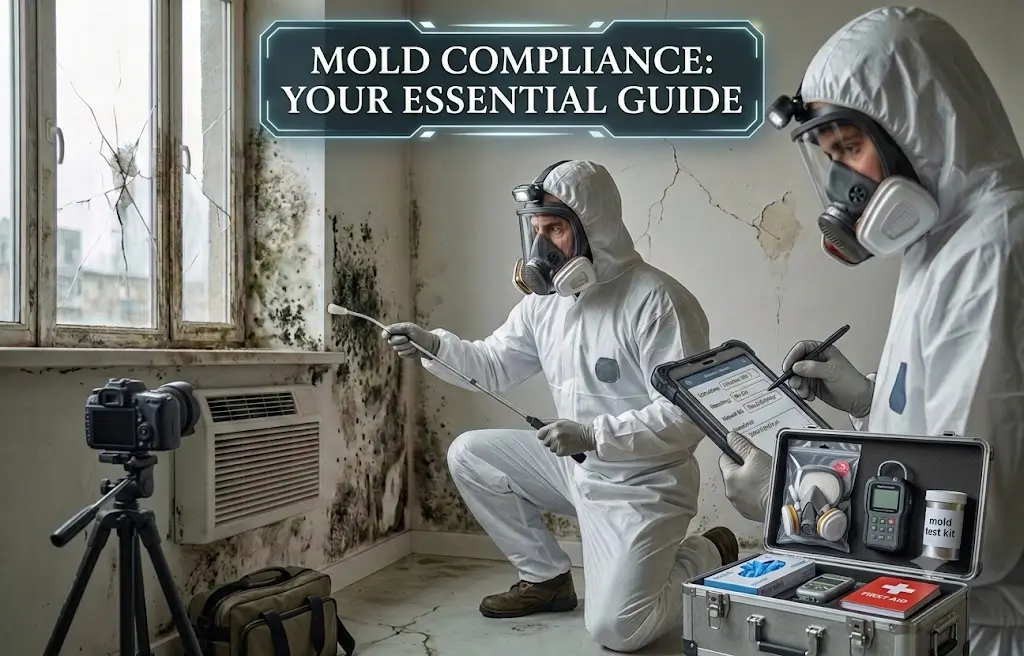
Mold is a common workplace issue that can affect offices, warehouses, schools, healthcare facilities, and industrial sites. While many employers and employees recognize mold as a potential health concern, there is often confusion about OSHA’s role in addressing it. Does OSHA have specific mold regulations, and what responsibilities do organizations have when mold is present?
Understanding OSHA’s approach to mold is essential for maintaining a safe and healthy work environment, protecting employees, and reducing liability risks. This blog explores OSHA’s position on workplace mold, employer responsibilities, potential health effects, and best practices for prevention and remediation.
What Is Mold and Why Is It a Workplace Concern?
Mold is a type of fungus that grows naturally in the environment and reproduces through tiny airborne spores. While mold plays an important role outdoors by breaking down organic matter, its presence indoors can become a workplace health and safety concern. Mold thrives in damp environments and can grow on a variety of surfaces, including wood, drywall, ceiling tiles, carpets, and insulation. Common sources of workplace mold include roof leaks, plumbing issues, flooding, condensation, and poorly maintained ventilation systems.
Several conditions can encourage mold growth in the workplace. Excess moisture is the primary factor, whether caused by water leaks, flooding, high humidity levels, or inadequate ventilation. When moisture remains unaddressed for extended periods, mold can develop and spread rapidly throughout a building.
Workplace mold is often found in HVAC systems, ceilings, walls, carpets, flooring, storage areas, basements, and other locations where moisture tends to accumulate. Identifying and addressing these conditions early is essential to maintaining a healthy work environment and preventing potential health complaints from employees.
Does OSHA Have Specific Mold Regulations?
Many employers assume that OSHA has a dedicated standard specifically addressing mold in the workplace. However, OSHA does not currently have a federal regulation that focuses exclusively on mold exposure. Despite the absence of a mold-specific standard, employers are still responsible for maintaining a workplace that is free from recognized health and safety hazards. If mold creates conditions that could harm employees, OSHA may expect employers to take reasonable steps to identify, control, and remediate the issue.
OSHA's Position on Mold
- OSHA does not have a specific federal standard dedicated solely to mold.
- Mold can still be considered a workplace hazard when it affects employee health or safety.
- Employers are expected to investigate and address conditions that contribute to mold growth.
- OSHA may evaluate mold-related concerns during workplace inspections or employee complaints.
OSHA's General Duty Clause
The General Duty Clause requires employers to provide a workplace free from recognized hazards that are likely to cause death or serious physical harm. While mold is not specifically named in OSHA regulations, significant mold contamination may fall under this requirement if it presents a known risk to workers.
- Requires employers to provide safe and healthful working conditions.
- Applies to recognized workplace hazards, including environmental hazards.
- Encourages prompt correction of moisture and mold problems.
- May be used when mold-related conditions create health risks for employees.
Why OSHA Is Concerned About Mold in the Workplace
OSHA recognizes that mold can create health, safety, and operational challenges within the workplace. Even without a mold-specific standard, employers are expected to address conditions that may expose workers to unnecessary risks. Uncontrolled mold growth can affect employee well-being, building integrity, and overall workplace performance.
Potential Health Effects of Mold Exposure
Exposure to mold may trigger allergic reactions, respiratory irritation, and discomfort in sensitive individuals. Employees may also experience aggravated asthma symptoms and irritation of the eyes, nose, and throat, particularly in areas with significant mold growth.
Impact on Employee Well-Being
Mold-related health concerns can reduce employee comfort, focus, and productivity during daily work activities. Persistent workplace issues may also contribute to increased absenteeism and employee complaints regarding indoor environmental conditions.
Building and Operational Risks
Beyond health concerns, mold can damage building materials and contribute to long-term structural deterioration. It can also negatively impact indoor air quality, leading to higher maintenance expenses and operational disruptions.
Signs Your Workplace May Have a Mold Problem
Mold is not always immediately visible, but there are often warning signs that indicate its presence. Recognizing these indicators early can help employers address moisture issues before they develop into larger health and safety concerns. Regular inspections and prompt action are key to preventing mold from spreading throughout the workplace.
Visible Indicators
Visible signs of mold problems may include discoloration on walls, ceilings, or other surfaces where moisture is present. Water stains, peeling paint, and damaged wallpaper can also indicate underlying moisture issues that support mold growth.
Environmental Clues
A persistent musty odor is one of the most common indicators of hidden mold growth within a building. Ongoing dampness, excessive humidity, and condensation buildup around windows, pipes, or HVAC systems may also signal favorable conditions for mold.
Employee Complaints
Employees may report frequent allergy-like symptoms, respiratory irritation, or discomfort while working in certain areas of the facility. When multiple individuals experience similar concerns linked to a specific location, it may warrant further investigation for mold or indoor air quality issues.
Mold Prevention Best Practices for Organizations
Preventing mold is far more effective and cost-efficient than dealing with a widespread infestation. Organizations can reduce mold risks by implementing a moisture management plan, improving indoor air quality, conducting routine building maintenance, and documenting prevention efforts. Regular inspections, timely repairs, proper ventilation, humidity control, and thorough recordkeeping help create a healthier workplace while minimizing the likelihood of mold-related health, safety, and operational issues.
Conclusion
While OSHA does not have a specific federal standard dedicated to mold, it still expects employers to provide a safe and healthy work environment. Mold can pose health risks to employees, impact productivity, and lead to costly building damage if left unaddressed. By identifying moisture problems early, maintaining proper ventilation, conducting regular inspections, and following effective prevention practices, organizations can reduce mold-related risks and support workplace safety. A proactive approach to mold management not only helps protect employees but also contributes to a healthier, more productive, and compliant workplace.