Cell phones have become a common part of everyday work. Employees use them to communicate with coworkers, check schedules, access information, and handle personal matters. While these devices can be useful, using a cell phone at the wrong time can also create a workplace safety hazard, especially when employees are performing tasks that require their full attention.
A phone can take a worker's eyes, hands, or mind away from the task at hand. This can increase the risk of mistakes, missed warnings, trips, falls, equipment incidents, or other accidents. Understanding when cell phone use becomes unsafe and establishing clear workplace guidelines can help employers and employees reduce distractions while still allowing phones to be used appropriately.
When Can Cell Phones Become a Workplace Hazard?
Cell phones can become a workplace hazard when they take a worker's attention away from the task or surroundings. Looking at a screen, reading a message, answering a call, or adjusting an app can reduce awareness of nearby people, equipment, moving vehicles, or other hazards. Even a short distraction can be enough to cause a worker to miss a warning or make an unsafe decision.
The level of risk depends on the type of work being performed and the environment. Cell phone use can be particularly dangerous while operating machinery, driving a vehicle, walking through active work areas, working at heights, or handling hazardous materials. In these situations, workers often need to maintain constant attention and respond quickly to changing conditions, so phone use should be avoided until they are in a safe location.
How Cell Phone Distractions Affect Workplace Safety
Cell phone distractions can affect workplace safety in several ways. A worker may be looking at a screen, using their hands to operate a device, or thinking about a conversation instead of focusing on the task. These different forms of distraction can reduce attention and make it harder to recognize or respond to workplace hazards.
Visual Distraction
Looking at a cell phone takes a worker's eyes away from their immediate surroundings. This can make it easier to miss moving equipment, obstacles, warning signs, or other hazards. Even briefly looking down at a screen can be risky in an active work area.
Manual Distraction
Using a phone requires one or both hands, which can interfere with tasks that require proper control or handling. Workers may have difficulty maintaining a secure grip on tools, equipment, materials, or handrails while using a device.
Mental or Cognitive Distraction
A worker can remain physically engaged in a task while their attention is focused on a phone conversation, message, or notification. This mental distraction can affect concentration and decision-making, particularly during tasks that require careful attention.
Reduced Awareness of Nearby Hazards
Phone use can reduce a worker's awareness of what is happening around them. They may fail to notice approaching vehicles, operating equipment, coworkers, changes in work conditions, or other hazards that require immediate attention.
Delayed Reactions to Changing Workplace Conditions
Workplace conditions can change quickly, requiring workers to respond without delay. A distracted employee may take longer to recognize a developing hazard or react appropriately, increasing the chance of an incident or injury.
Common Workplace Situations Where Phone Use Is Risky
Cell phone use may be acceptable in some workplace settings, but certain tasks require workers to remain fully focused on their surroundings and activities. Using a phone during safety-sensitive work can create additional risks by taking attention away from equipment, traffic, work conditions, or hazardous materials. The following are some common situations where phone use should be avoided.
Driving or Operating Vehicles
Drivers need to maintain constant attention to traffic, pedestrians, road conditions, and other vehicles. Using a phone while driving can take their eyes and attention away from the road and delay their response to unexpected situations.
Operating Machinery and Equipment
Machinery and equipment require workers to follow operating procedures and remain alert to moving parts and changing conditions. A phone can distract an operator and increase the possibility of an incorrect action or missed warning.
Walking Through Construction or Industrial Areas
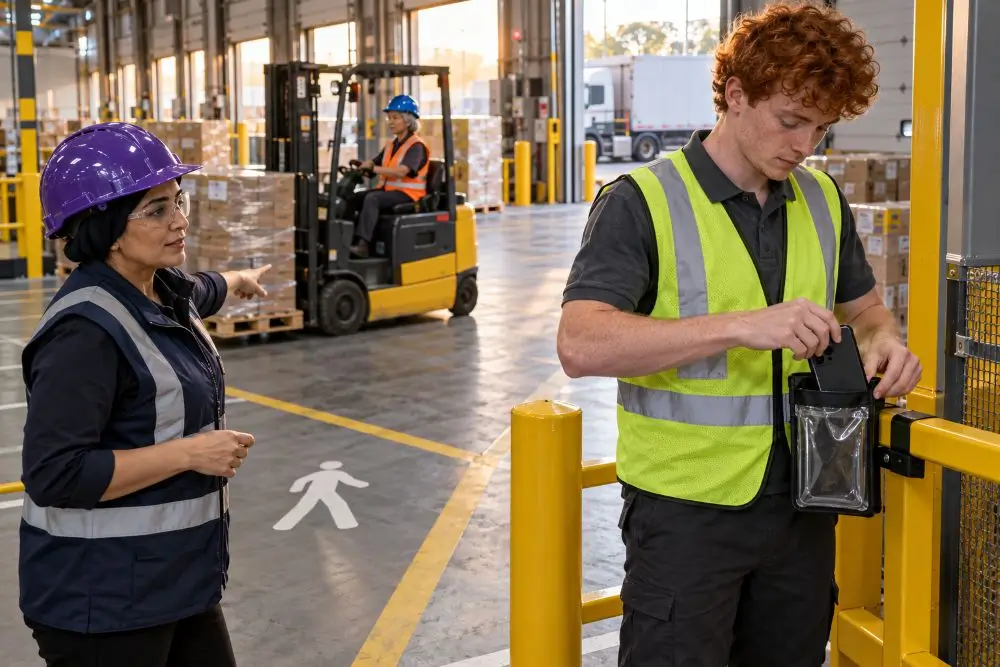
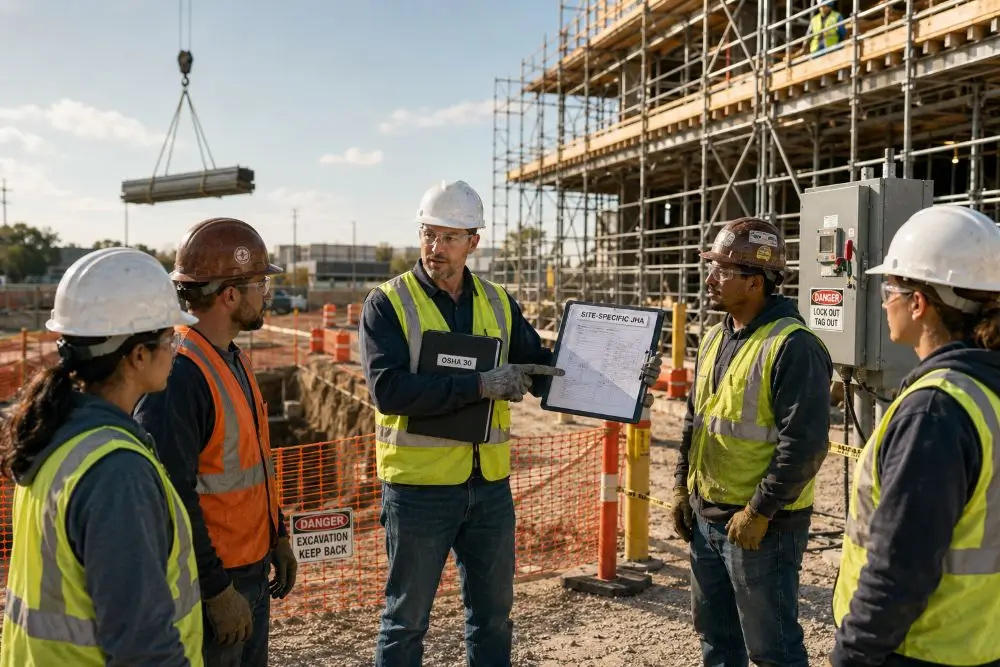
Active construction and industrial areas may contain moving vehicles, equipment, uneven surfaces, falling objects, and other hazards. Workers using their phones while walking may fail to notice these dangers or react quickly enough to avoid them.
Working at Heights
Employees working on ladders, scaffolds, roofs, or elevated platforms need to maintain their balance and pay close attention to their surroundings. Handling or checking a phone can interfere with movement and take attention away from fall hazards.
Working Around Electrical Hazards
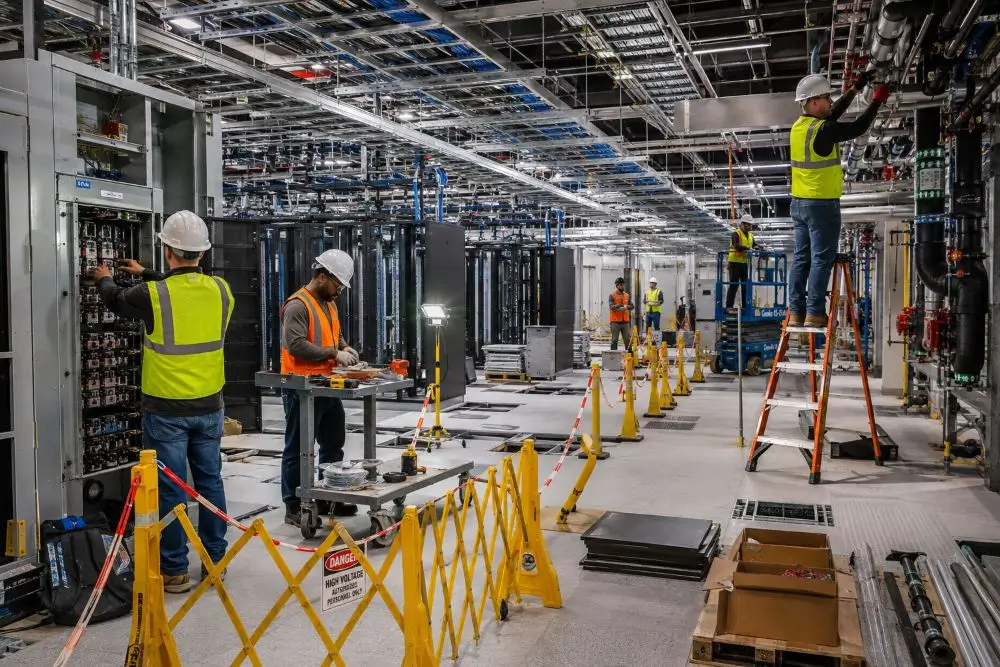
Electrical work requires careful attention to equipment, tools, wiring, and established safety procedures. Phone distractions can cause workers to lose focus during tasks where a mistake or missed warning could have serious consequences.
Handling Chemicals or Hazardous Materials
Workers handling chemicals or hazardous materials need to follow proper procedures and remain aware of labels, containers, spills, and required protective measures. Using a phone during these activities can interfere with safe handling and increase the chance of an error.
Should Cell Phones Be Banned at Work?
A complete cell phone ban may not be practical for every workplace because employees may need phones for communication, emergencies, scheduling, or work-related tasks. Instead, employers can establish clear rules that limit phone use during safety-sensitive activities and allow it in designated areas or during appropriate break periods. The right approach depends on the type of work being performed, the hazards present, and how phones are used within the workplace. A construction site, manufacturing facility, office, and warehouse may each require different cell phone policies to balance communication needs with workplace safety.
Conclusion
Cell phones can be useful workplace tools, but they can also become a safety hazard when they distract employees from their tasks or surroundings. The risks are especially important during activities such as driving, operating equipment, working at heights, or handling hazardous materials.
Rather than applying the same rules to every workplace, employers can establish cell phone policies based on their specific operations and hazards. Clear guidelines, employee awareness, and responsible phone use can help reduce distractions while allowing workers to use these devices when and where it is safe to do so.