
How to Safely Dispose of Construction Waste: Tips and Best Practices
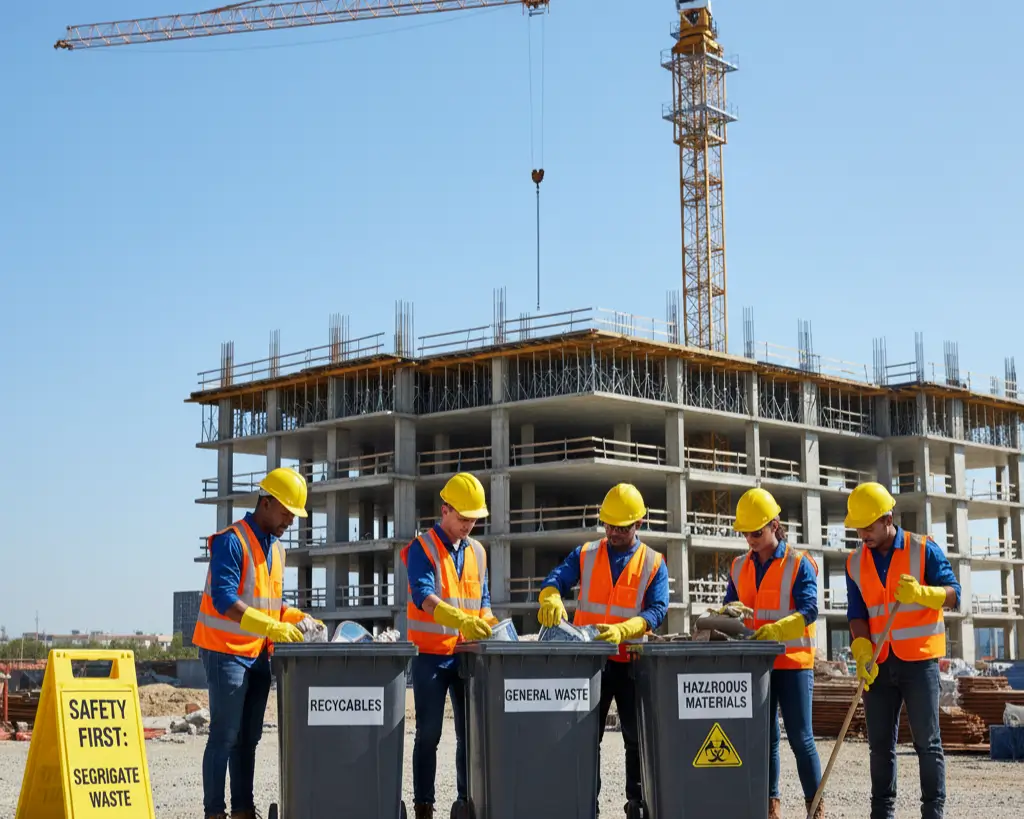
At construction sites, the production and creation of waste is unavoidable As per the Environmental Protection Agency (EPA), 0 tons of construction and demolition debris were generated in the USA in 2018. However, the waste management hierarchy is important for businesses as it encourages properly managing the construction trash dump by recycling, reducing, and reusing it. Managing construction material disposal is a legal requirement for a company. They need to follow the rules and guidelines to get rid of construction debris. So, this guide gives you a general overview of the importance of construction waste management and how you can safely dispose of construction waste. Why Construction Waste Management Is Important? Your company needs to know how to handle construction debris dump responsibly. However, it helps in maintaining, contributing, and upholding the high standard and reducing the amount sent to landfills. This is crucial because resources are limited and you need to conserve them properly, especially if they can be readily reused or avoided altogether. However, Construction generates a massive amount of waste, including materials like wood, concrete, metals, and plastics. Managing this waste helps conserve natural resources by reusing or recycling materials, reducing the need for virgin resources. 1 Improves Ecosystem Inadequate waste management can lead to pollution of soil, water, and air. Proper disposal and treatment of construction waste help prevent contamination and minimize harm to ecosystems. 2 Conserves Energy Recycling and reusing construction materials require less energy compared to producing new materials. This reduces greenhouse gas emissions and the overall carbon footprint of construction projects. 3 Minimizes Landfill Usage Effective waste management preserves land that would otherwise be used for landfill sites, helping to protect natural habitats and open spaces. Construction waste often makes up a significant portion of landfill content. Reducing the amount of waste sent to landfills extends their lifespan and reduces the need for additional landfills. Types of Construction Waste It’s crucial to determine the type of construction waste before any building or demolition project gets started. It is important to make sure the construction waste disposal can be recycled or not and develop plans for its processing and removal 1 Building Waste This building waste usually comes from the renovation and construction of the building. This waste includes bricks, wirings, drywall, and nails. These are the kind of waste that is either damaged or unused. Examples of building waste: Lumber: Unused or damaged wood materials. Insulation: Fiberglass, foam, or other insulation materials. Wiring and Electrical Components: Unused wiring, conduit, and electrical fixtures. Plumbing Materials: Pipes, fittings, and fixtures. Paint and Solvents: Unused or dried-up paint cans and solvents. 2 Hazardous Waste All materials and supplies that have been treated but still include dangerous materials are referred to as hazardous waste. Dredging materials from polluted areas (such as when an industrial building is demolished) may also be categorized as hazardous waste. Examples of Hazardous waste: Lead-Based Paint: Paint containing lead. Asbestos: Materials containing asbestos, such as insulation and roofing. Chemicals: Hazardous chemicals and solvents used in construction. Batteries: Used or discarded batteries from construction equipment. 3 Demolition Waste Demolition waste actually consists of all kinds of construction material debris such as hazardous waste and building waste. More than 90% of construction waste is generated in the United States from demolition waste. Examples of Demolition waste: Concrete: Broken concrete blocks, slabs, and debris. Brick and Masonry: Bricks, tiles, and masonry waste. Wood: Scrap lumber, plywood, and wood pallets. Metal: Scrap metal from framing, pipes, and fixtures. Asphalt: Asphalt pavement and roofing materials. Plaster and Drywall: Gypsum board and plaster waste. Cheapest Ways to Dispose of Construction Debris Safely disposing of construction waste is crucial for the environment and can also help you avoid potential legal issues. Construction waste often includes materials like concrete, wood, metal, insulation, and hazardous substances. Here’s a step-by-step guide on how to safely dispose of construction waste: 1 Identify & Categorize Waste Sort and categorize construction waste based on its type and hazardous properties. Common categories include recyclables, non-recyclables, hazardous materials, and organic waste 2 Designate a Waste Management Area On your building site, designate a location for sorting and storing debris. By doing this, you can keep the area clean and avoid cross-contamination. 3 Provide Proper Containers Use sturdy containers or bins to store waste materials. Ensure they are labeled clearly to indicate their contents, especially if they contain hazardous materials. 4 Educate Your Workers Train your construction crew on proper waste handling and disposal procedures. Make sure they are aware of the importance of separating materials and following safety guidelines. 5 Use Reusable & Recyclable Materials Opt for materials that can be reused or recycled. For example, consider using reclaimed wood, recycled concrete, or other sustainable building materials. 6 Properly Dispose Batteries Dispose of used batteries separately at recycling centers or hazardous waste facilities. Do not throw them in the regular trash. 7 Secure Hazardous Waste Containers If you have hazardous waste on-site, ensure that containers are tightly sealed and labeled correctly. Use secondary containment measures to prevent leaks. 8 Document Waste Disposal Keep detailed records of your waste disposal activities, including receipts, manifests, and any required permits. This documentation can be vital for adherence and legal purposes. 9 Dispose Of Chemicals & Paints Unused paint and chemicals should be returned to a recycling center or hazardous waste disposal facility. Do not pour them down drains or into the ground. 10 Consult Local regulations Research and adhere with local, state, and federal regulations related to construction waste disposal. Different areas may have specific requirements for waste handling and disposal. Conclusion Construction waste management is critically important for several reasons, including environmental, economic, and social considerations. By following these tips, you can safely and responsibly manage construction waste, minimizing environmental impact and reducing the risk of legal issues. If you want to safely dispose of construction waste, you need to get adequate OSHA training to gauge more about the best safety issues. It is the right time to register
40 Safety Topics for Work Meetings: Engage and Educate Your Team

Introduction In 2023, the U.S. Bureau of Labor Statistics reported 5,283 fatal work injuries, a 3.7% decrease from the previous year. Safety talks, often referred to as toolbox talks or safety moments, play a crucial role in keeping our workplaces safe and efficient. These conversations not only keep employees aware of potential risks but also reinforce best practices and foster a proactive safety culture. If you’re on the hunt for brief safety topics for work or some unique ideas to keep your team engaged, this list of 40 topics is just what you need to run impactful safety meetings. These statistics underscore the importance of regular safety meetings in fostering a proactive safety culture and preventing workplace incidents. Regular safety discussions are crucial for preventing accidents, minimizing workplace injuries, and boosting productivity. But let’s be honest: safety meetings don’t have to be boring or repetitive. Keeping things fresh and relevant engages employees and keeps safety top of mind. Fatal work injuries down 3.7 percent in 2023 There were 5,283 fatal work injuries recorded in the United States in 2023, a 3.7-percent decrease from 5,486 in 2022. On average, a worker died every 99 minutes from a work-related injury in 2023. General Safety Topics The basics matter. No matter where you work, some risks never go away. A wet floor, tangled wires, or an unstable ladder can lead to a painful fall. Fires, while rare, can be catastrophic if employees don’t know evacuation routes or how to use an extinguisher. The way people sit, lift, or even type all add up to long-term health risks, making ergonomic awareness just as important as wearing protective gear in high-risk jobs. Beyond personal safety, a clutter-free workspace reduces accidents and ensures emergency exits aren’t blocked. Handling chemicals improperly, ignoring electrical hazards, or not having a plan for emergencies can turn a minor issue into a serious problem. And while most people don’t think about workplace violence until it happens, having training in de-escalation and early warning signs can make all the difference. Slips, Trips, and Falls Fire Safety Workplace Ergonomics Personal Protective Equipment (PPE) Housekeeping and Organization Hazard Communication Emergency Preparedness Electrical Safety Ladder Safety Workplace Violence Prevention Short Safety Topics for Work Not all safety talks need an hour-long presentation; sometimes, a quick five-minute discussion is enough to prevent an injury. A simple reminder to take five seconds before rushing into a task can stop an accident before it happens. Lifting something incorrectly can put you out of work for weeks, but proper techniques take seconds to follow. Hand and eye injuries are some of the most easily preventable workplace accidents, yet they still happen due to carelessness. Weather conditions can turn a normal workday into a high-risk situation, whether it’s extreme heat, icy roads, or unexpected storms. Even office spaces aren’t entirely safe, as wires, unstable furniture, and stress-related fatigue all play a role in workplace accidents. While hydration might seem like a minor issue, dehydration can lead to dizziness, poor concentration, and heat exhaustion, especially in outdoor jobs. The 5-Second Rule for Safety Safe Lifting Techniques Hand and Finger Safety Weather-Related Safety Traffic and Pedestrian Safety Office Safety Stress and Fatigue Management Eye Safety Hydration and Heat Stress Cybersecurity Awareness Unusual Safety Topics If safety meetings feel repetitive, it’s time to shake things up. Why do some people take risks even when they know better? That’s a psychological question worth exploring. Near-miss incidents, times when an accident almost happened, are goldmines for learning before something worse occurs. Situational awareness is another undervalued skill. Noticing subtle risks, like a distracted coworker or a machine that sounds different, can prevent disasters. Fatigue is just as dangerous as intoxication, yet sleep deprivation in the workplace is rarely discussed. The way we focus or get distracted determines how safely we perform tasks. Does music improve or hurt safety? The answer isn’t straightforward and depends on the job. Safety myths also spread misinformation, and many employees believe accidents “won’t happen to them,” leading to reckless behavior. The Psychology of Risk-Taking Near-Miss Reporting Situational Awareness Sleep and Workplace Safety The Science of Attention and Distraction Workplace Allergies and Reactions Bystander Intervention for Safety The Impact of Music on Safety Common Safety Myths Debunked Why ‘It Won’t Happen to Me’ is a Dangerous Mindset Industry-Specific Safety Topics Each industry comes with its own unique hazards. Working in tight, enclosed spaces brings risks of suffocation and toxic exposure, while handling hazardous materials without proper training can be deadly. Machines with moving parts can cause devastating injuries if safeguards aren’t in place. Construction sites require constant vigilance around fall hazards, heavy machinery, and power tools. Warehouses often deal with falling objects and forklifts, both of which cause serious injuries every year. Healthcare workers are on the frontlines of infection control, patient handling risks, and even workplace violence. In retail, employees often overlook personal safety, dealing with theft, aggressive customers, and emergency evacuations. Food service employees handle hot equipment, sharp tools, and potential fire hazards daily. Manufacturing jobs often involve chemical exposure, repetitive strain injuries, and machine safety concerns. Transportation workers must constantly stay alert to avoid fatigue-related accidents and manage hazardous road conditions. Confined Space Safety Hazardous Material Handling Machine Guarding Construction Site Safety Warehouse Safety Healthcare Worker Safety Retail and Customer-Facing Safety Food Service Safety Manufacturing Safety Transportation and Delivery Safety Rate of fatal work injuries per 100,000 full-time workers, 2014–23 Workers ages 55 to 64 continued to have the highest number of fatalities in 2023 with 1,089 (20.6 percent of total fatalities). Transportation incidents were the highest cause of fatalities for this age group (401), followed by falls, slips, and trips (226). The fatal work injury rate for all workers in 2023 was 3.5 fatalities per 100,000 full-time workers, down from 3.7 in 2022. Conclusion Safety is everyone’s responsibility, and regular discussions-whether brief or in-depth-help keep it a top priority. By rotating through general, short, unique, and industry-specific topics, you can make