The Broken Window Theory originated in criminology and sociology, proposing that visible signs of disorder, like broken windows, graffiti, or litter, can encourage further misbehavior and even more serious crimes. Essentially, small problems left unaddressed signal a lack of control, which can escalate into bigger issues over time.
While initially applied to urban environments, the principle has relevance far beyond crime prevention. In workplaces, minor safety violations, overlooked hazards, or ignored maintenance issues can create a similar environment where unsafe behaviors become normalized. When employees see that small risks are tolerated, they may feel less compelled to follow safety procedures, increasing the likelihood of accidents.
This blog explores how the Broken Window Theory translates into workplace safety, why addressing minor hazards matters, and how organizations can maintain a culture of proactive safety.
The Psychology of Neglect: How Small Messes Lead to Big Accidents
Small hazards in the workplace, like a spilled liquid, loose cords, or minor equipment damage, may seem trivial at first. However, when these issues are routinely ignored, employees become desensitized to risks, reducing their likelihood of noticing or reporting hazards. Tolerating minor safety infractions, such as skipping PPE or bypassing lockout procedures, gradually normalizes unsafe behaviors.
This phenomenon, known as normalization of deviance, can lead to larger shortcuts and risky practices over time. A disorderly environment also subconsciously lowers vigilance, as workers perceive their surroundings as “generally unsafe” and stop actively assessing risk. By addressing small hazards consistently, organizations reinforce the importance of safety, prevent minor issues from snowballing, and maintain high risk awareness among employees.
Applying the Theory: From Graffiti to Guardrails in the Workplace
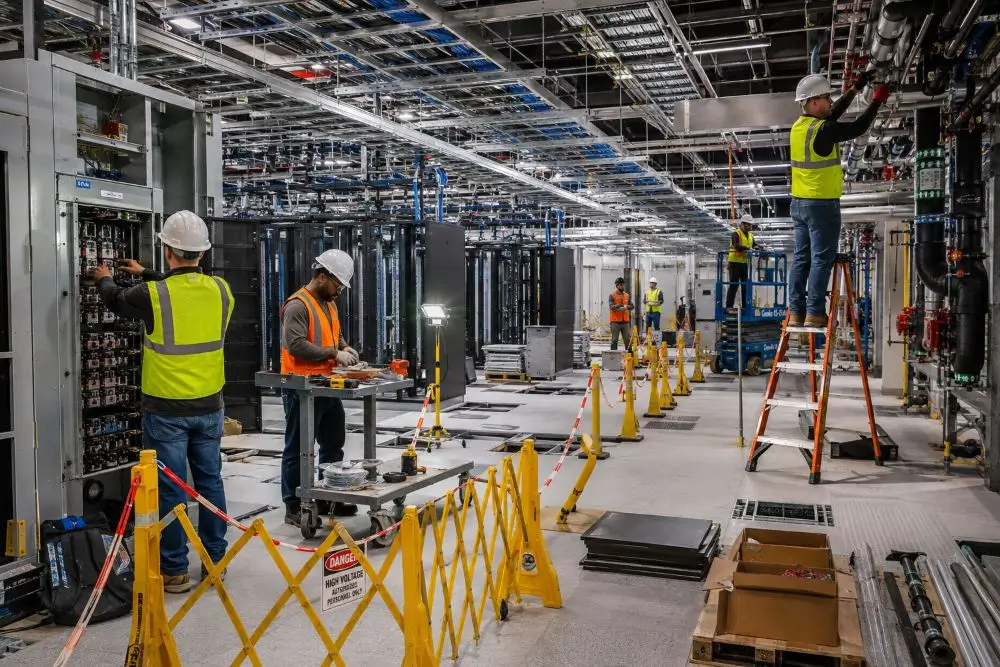
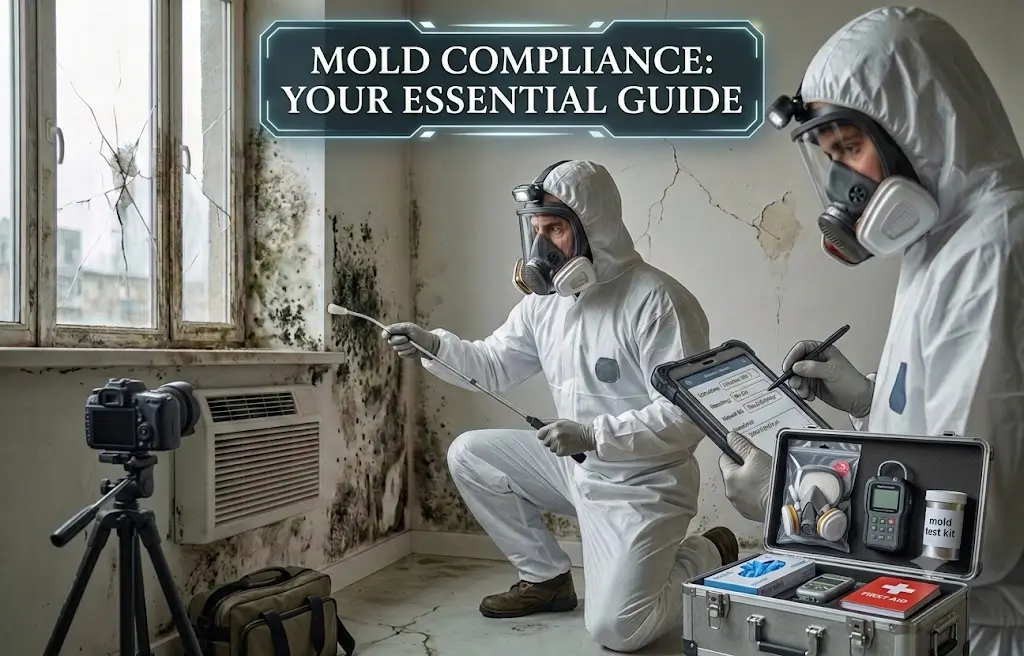
In workplace safety, physical “broken windows” can take many forms: chipped paint, cluttered walkways, broken floor tiles, poor lighting, or unmaintained equipment. While each issue may seem minor individually, these small disorders often serve as gateways to more significant hazards, such as slips, trips, falls, or equipment failures. Even simple housekeeping lapses can signal that safety is not a priority, encouraging employees to cut corners with PPE, machinery checks, or lockout procedures.
Just like visible decay on city streets, these workplace “windows” reflect the overall safety culture. Maintaining clean, orderly, and well-lit environments, along with proper PPE requirements and routine inspections, sends a clear message that safety matters. The appearance of the workspace becomes a visible indicator of organizational commitment to preventing accidents and reinforcing safe behavior.
The Domino Effect: How One Unsafe Behavior Spreads to a Team
Workplace safety is often shaped by peer behavior. When one employee skips a minor safety step, like neglecting PPE, bypassing a lockout procedure, or leaving a spill uncleaned, it can unintentionally set a new standard for the team. Colleagues observe and may begin to adopt similar shortcuts, gradually lowering overall safety expectations. Tolerating minor violations not only erodes team norms but also signals that rules are flexible.
Over time, this culture of complacency can magnify risks, leading to more serious accidents. Leaders play a critical role: ignoring small infractions weakens their credibility when enforcing major safety protocols. By addressing unsafe behaviors immediately, organizations can prevent the domino effect, reinforce proper practices, and ensure that minor lapses do not escalate into severe incidents.
Practical Strategies: Fixing the "Broken Windows" in Your Safety Program
Preventing the broken window effect in safety requires proactive, visible action.
Empower Employees
Encourage workers to identify and correct minor hazards immediately, such as spills, clutter, or faulty equipment. This fosters ownership of workplace safety and reinforces vigilance.
Implement Proactive Systems
Techniques like 5S help maintain order, organize tools, and highlight defects before they become hazards. Regular housekeeping and standardized processes prevent small issues from accumulating.
Train Leaders to Model Safety
Supervisors should visibly and consistently correct minor infractions. Quick intervention shows employees that all safety standards, big or small, are important.
Promote a Culture of Accountability
Recognize proactive reporting and safe behaviors. Employees are more likely to follow rules when they see management taking safety seriously.
By combining these strategies, organizations can eliminate minor safety violations, reinforce standards, and create a culture that prevents small problems from becoming major incidents.
Conclusion
Workplace safety isn’t just about preventing major accidents it starts with respecting small details. Ignoring minor hazards, shortcuts, or clutter sends a signal that safety rules are optional, which can lead to larger incidents over time.
By focusing on the “broken windows” in your environment, whether it’s a spill, damaged guardrail, or missing PPE, organizations reinforce a culture of vigilance and accountability. Every small correction sets a precedent and strengthens team norms. Start today by identifying and fixing even one minor hazard. Over time, this approach cultivates a culture of habitual excellence, where safety becomes second nature for everyone.