
Can OSHA 30 Replace Toolbox Talks?
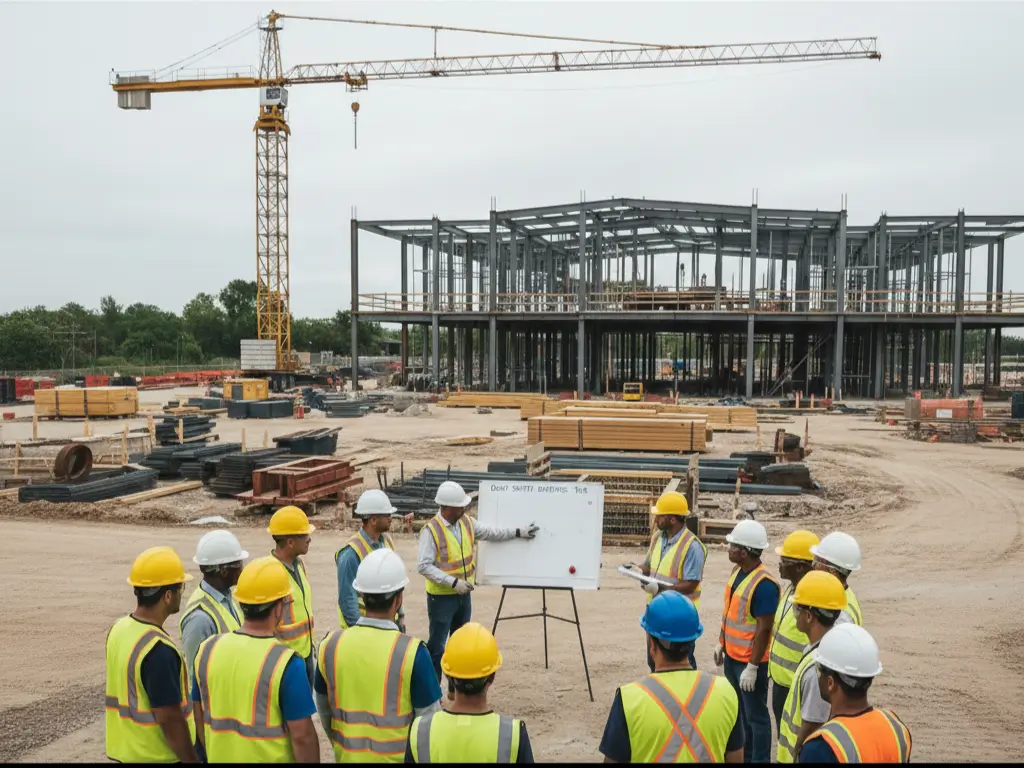
Workplace safety training is a critical requirement in high-risk industries such as construction, manufacturing, and warehousing, where daily hazards can quickly lead to serious injuries. To meet OSHA expectations, employers often rely on structured programs like OSHA 30 training and ongoing safety discussions, such as toolbox talks. However, many employers and safety managers question whether completing OSHA 30 is enough or if toolbox talks are still necessary. This confusion can lead to compliance gaps and increased risk on the jobsite. This blog compares OSHA 30 training and toolbox talks, explains their distinct purposes, and clarifies whether one can truly replace the other under OSHA guidelines. So, read on! What Is OSHA 30 Training? OSHA 30 is an in-depth Outreach Training Program authorized by OSHA and delivered through approved training providers. It is designed to give workers a comprehensive understanding of workplace safety, health hazards, and OSHA regulations rather than job-specific task instruction. The training emphasizes hazard recognition, prevention, and workers’ rights and employer responsibilities under OSHA standards. OSHA 30 is primarily intended for supervisors, foremen, site managers, and safety coordinators who are responsible for overseeing others and enforcing safety practices on the job. It is widely required in construction and general industry, and in some jurisdictions, such as New York City, under Local Law 196, it is mandatory for supervisory roles. Importantly, OSHA 30 is typically a one-time certification that provides a strong safety foundation, but it does not replace the need for ongoing, task-specific safety communication as workplace conditions and hazards change. What Are Toolbox Talks? Toolbox talks, also known as tailgate meetings or safety huddles, are short, informal safety discussions held at the job site. They focus on immediate, task-specific hazards and are designed to address the work being performed that day or week. Unlike formal training programs, toolbox talks are practical and conversational, encouraging worker participation and real-time hazard awareness. Typically lasting 5–15 minutes, toolbox talks are conducted daily or weekly, depending on the risk level of the job. Common topics include site-specific hazards, recent near-misses or incidents, weather-related risks, equipment use, and changes in work conditions. Their primary role is to reinforce safe behaviors on an ongoing basis, keeping safety top of mind and adapting quickly to evolving workplace risks. Key Differences Between OSHA 30 and Toolbox Talks While both OSHA 30 training and toolbox talks play important roles in workplace safety, they serve very different purposes and are not interchangeable. OSHA 30 provides a broad, standardized foundation of safety knowledge, whereas toolbox talks focus on reinforcing day-to-day safety awareness tied to specific tasks and jobsite conditions. Understanding these differences helps employers design a compliant and effective safety training program. Purpose & Scope OSHA 30 is designed to deliver in-depth, standardized training on OSHA regulations, hazard recognition, and safety responsibilities across an entire industry. It builds a strong safety foundation, especially for supervisors and safety leads. Toolbox talks, on the other hand, are short, targeted discussions focused on immediate job hazards, recent incidents, or upcoming tasks, making them highly situational and practical. Training Format OSHA 30 follows a structured curriculum delivered through authorized providers, often online or in-person, with assessments to verify understanding. It is formal and comprehensive in nature. Toolbox talks are informal, conversational sessions led by supervisors or safety managers, encouraging worker participation and real-time discussion of site conditions. Frequency & Timing OSHA 30 is typically completed once or infrequently and serves as a long-term credential rather than ongoing instruction. Toolbox talks are continuous, held weekly, daily, or before high-risk tasks, ensuring safety remains top-of-mind throughout the project lifecycle. Documentation & Compliance OSHA 30 provides a Department of Labor (DOL) card as official proof of training completion, often required by job sites or local regulations. Toolbox talks rely on employer-maintained documentation, such as sign-in sheets and meeting records, to demonstrate ongoing safety communication and compliance. Can OSHA 30 Replace Toolbox Talks? The short answer is no, OSHA 30 training cannot fully replace toolbox talks. While OSHA 30 provides in-depth, standardized safety education and helps workers understand OSHA regulations and common hazards, it is designed as a one-time or infrequent training, not a daily or weekly safety communication tool. OSHA expects employers to maintain ongoing hazard communication, especially for site-specific, task-specific, and changing work conditions. Toolbox talks fill this gap by addressing real-time risks, recent incidents, and daily job hazards that OSHA 30 cannot cover in advance. In practice, OSHA 30 builds a strong safety foundation, but toolbox talks are essential for reinforcing safe behaviors and meeting OSHA’s emphasis on continuous workplace safety communication. Why Toolbox Talks Are Still Required Even with OSHA 30 Even when workers have completed OSHA 30 training, toolbox talks remain essential because job conditions change constantly. New tasks, equipment, weather conditions, and site layouts can introduce fresh hazards that were not covered during formal training. OSHA standards such as Hazard Communication, Fall Protection, and PPE explicitly require ongoing safety communication, not one-time instruction. Toolbox talks provide a practical way to address real-time risks, reinforce safe behaviors, and prevent incidents before they occur on the jobsite. How OSHA 30 and Toolbox Talks Work Best Together OSHA 30 provides workers, supervisors, and safety leads with a strong foundation in OSHA standards, hazard recognition, and employer-employee responsibilities. It equips teams with the why behind safety rules and the regulatory framework that governs workplace safety. However, this knowledge is broad and standardized, designed to apply across industries rather than to daily job-site conditions. Toolbox talks bridge that gap by translating OSHA 30 concepts into real-time, job-specific actions. For example, fall protection principles learned in OSHA 30 can be reinforced through toolbox talks that address the day’s work at heights, ladder placement, or scaffold inspections. Similarly, hazard communication training from OSHA 30 can be paired with toolbox talks reviewing new chemicals, updated SDSs, or recent near-miss incidents. This ongoing reinforcement helps workers apply what they’ve learned in a practical, immediate way. When combined, OSHA 30 establishes baseline competency while toolbox talks keep safety top
What To Do After Getting OSHA 30 Training?
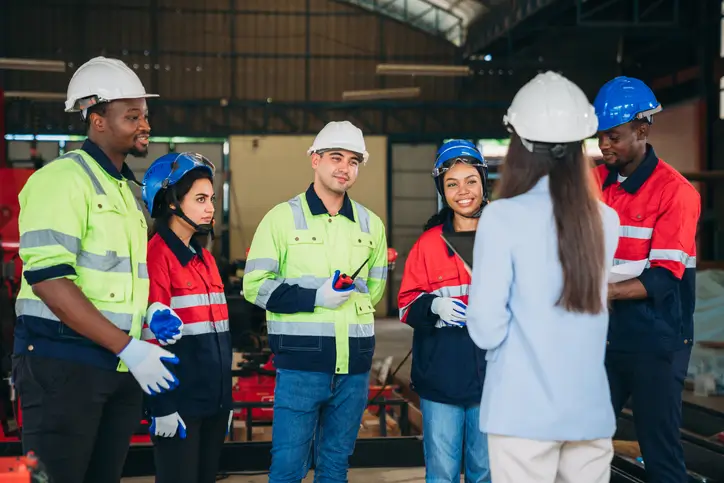
Congratulations on completing your OSHA 30-Hour Construction Training! That’s a major milestone in your safety education journey and a big step forward in your construction career. The OSHA 30 card isn’t just a piece of plastic—it represents advanced safety knowledge, a commitment to safe work practices, and eligibility for leadership roles in the construction industry. But don’t stop here. Earning your OSHA 30 card opens the door to new opportunities, and what you do next can determine how far you go. This article covers five practical steps you can take right now to make the most of your OSHA 30 training and continue building a strong, safe career. 1. Add It to Your Resume and Online Profiles Your OSHA 30 certification isn’t just a training milestone—it’s a valuable credential that employers actively look for. One of the first things you should do is update your professional documents and profiles to reflect your new qualification. How to do it: Resume: Add “OSHA 30-Hour Construction Safety and Health Training” under the Certifications or Professional Development section. Include the date completed and training provider if relevant. LinkedIn: Post about your achievement to let your network know, and add the credential to your Licenses & Certifications section. Job platforms: If you use websites like Indeed or Glassdoor, update your profile with the OSHA 30 credential. Recruiters often search by keywords like “OSHA 30 certified,” so this simple update could land you more job opportunities. By showcasing your OSHA 30 card, you demonstrate professionalism and a clear understanding of workplace safety standards—something employers value highly. 2. Apply for More Advanced Job Roles With an OSHA 30 card in hand, you’re not just another worker—you’re someone with advanced knowledge of workplace hazards, rights, responsibilities, and risk controls. Use that to your advantage. Potential roles to consider: Site Safety Coordinator Foreman or Lead Carpenter Safety Supervisor or Assistant Safety Officer Construction Site Manager Employers often view OSHA 30 certification as a sign of readiness for leadership and adherence-related tasks. If you’re already in a field role, this could be your opportunity to move up to a supervisory position. Even if you’re just starting, having OSHA 30 on your resume can help you stand out for apprenticeships or mentorship opportunities. Pro Tip: During interviews, don’t just mention that you have OSHA 30—talk about what you learned and how you apply it on the job. That kind of insight shows real value. 3. Check If You Need Additional Training (e.g., SST in NYC) While OSHA 30 is a powerful credential, it may not be the final requirement for working in some areas, especially in cities with strict local laws like New York City. For example: In NYC, OSHA 30 is only part of the required training under the Site Safety Training (SST) program. Workers typically need additional hours, like a total of 40 hours of SST training, which includes OSHA 30, plus 10 extra hours of specific topics. Supervisors may need even more—62 hours total. What to do: Visit your local or state Department of Buildings (DOB) website to check job-site-specific training rules. Ask your employer or site safety manager what additional training is required based on your role. If you’re in NYC, explore the NYC DOB’s SST information page for the latest updates. Taking a few minutes to double-check these requirements can save you from delays or disqualification on job sites. 4. Keep Your Card Safe and Know When to Refresh You worked hard for that OSHA 30 card—don’t lose it! Your card may be requested by: New employees during onboarding Jobsite adherence audits Union reps or site inspectors Keep the original card in a secure place, and consider carrying a photocopy or digital scan with you (on your phone or in your work folder). That way, you’re always ready to prove your certification. Do OSHA cards expire? Technically, no, OSHA 30 cards don’t have an official expiration date. However, many employers and unions recommend refresher training every 3 to 5 years, especially as standards change and new hazards emerge. Consider refreshing earlier if: You change roles or job sectors New safety regulations are introduced You haven’t taken any formal safety training recently Being proactive shows you take safety seriously, not just as a requirement, but as a career mindset. 5. Continue Learning & Stay Updated on Safety Standards Safety is an ongoing process, not a one-time class. To stay effective (and employable), continue learning. Here’s how: Toolbox Talks: Participate in daily or weekly safety talks at your worksite. These short sessions help reinforce lessons from your OSHA 30 training. Subscribe to OSHA Updates: Sign up for OSHA newsletters or alerts via OSHA.gov. You’ll get info on regulation changes, safety tips, and training opportunities. Take Additional Courses: Based on your job duties or risks on site, you might consider: Fall Protection Training Confined Space Entry Scaffolding Safety Fire Prevention or HAZWOPER Even a few hours of additional learning can help you avoid accidents and expand your skills. Bonus Tip: Encourage your team members to pursue OSHA 10 or OSHA 30 if they haven’t already. Promoting a culture of safety helps protect everyone on the job. Conclusion Your OSHA 30 certification is more than just a box checked—it’s a professional stepping stone that can unlock safer, better-paying, and more advanced career opportunities. Whether you’re just starting in construction or aiming to move into a supervisory role, how you use this training matters. So don’t stop now. Promote it. Apply it. Build on it. By staying informed and investing in ongoing learning, you’ll stand out as a safety-minded professional—and help create a safer, smarter construction workforce for everyone. And if you’re someone who still has completed the OSHA 30 training for Construction or General Industry, sign up today.
Choosing Your OSHA 30-Hour Course: A Simple Guide

If you’re planning to take an OSHA 30-hour course but aren’t sure which one fits your role, you’re not alone. Many workers and employers have questions about the difference between the OSHA 30-Hour Construction and OSHA 30-Hour General Industry programs. Both provide valuable safety training, but they serve different types of workplaces. In this guide, we’ll explain the key differences, who should take each course, and how to make the right choice based on your job. By the end, you’ll know exactly which OSHA course suits your work environment. What is OSHA 30-Hour Training? The OSHA 30-hour training program is designed to teach workers how to identify workplace hazards, understand basic safety standards, and follow OSHA guidelines. While not legally required for every worker, many employers make it mandatory for safety adherence. OSHA 30-Hour Construction OSHA 30-Hour General Industry Each version addresses safety for a specific type of work environment. 1. OSHA 30-Hour Construction This course is built for those working in construction, renovation, or demolition. It’s ideal for: Construction workers Site supervisors Foremen Safety officers Contractors Project managers Topics Covered Fall protection Scaffolding safety Electrical hazards Confined spaces in construction Personal protective equipment (PPE) Material handling and storage Hazard communication Stairways and ladders If your role involves working at a job site or managing teams on construction projects, OSHA 30 Construction Training is the best fit. 2. OSHA 30-Hour General Industry This course is for those working in environments other than construction. Suitable for: Factory workers Warehouse employees Supervisors in general industries Safety managers Hotel and restaurant workers Healthcare employees Topics Covered Hazard communication Machine Guarding Electrical safety Fire prevention and protection Ergonomics Personal protective equipment (PPE) Walking and working surfaces Workplace violence prevention For roles in industrial or service environments, OSHA 30 General Industry training is recommended. Key Differences Between the Two Courses Feature OSHA 30-Hour Construction OSHA 30-Hour General Industry Industry Focus Construction, building, roadwork Factories, warehouses, retail, healthcare Main Hazards Covered Falls, scaffolding, electrical, confined spaces Machine guarding, ergonomics, fire hazards Best For Construction workers, site managers, and supervisors Warehouse workers, factory employees, safety officers How to Choose the Right Course 1. Identify Your Industry Know Your Industry – Construction = Construction Course. Non-construction (like warehouses, factories) = General Industry Course. 2. Employer Requirements Confirm if your employer prefers or requires a specific OSHA course. 3. Think About Your Career Goals Planning a long-term career in construction? Go with the Construction course. Want to stay in healthcare or warehousing? Choose General Industry. 4. State & Local Rules Some cities (like New York) require OSHA 30 Construction for specific job roles. Always check local laws. Where to Take OSHA 30-Hour Training OSHA 30 courses are available in both online and classroom formats. Online OSHA training offers flexibility and is suitable for self-paced learners. In-person classes may offer hands-on learning. Select a platform that provides OSHA-authorized courses such as: OSHA Outreach Courses OSHA Education Center ClickSafety 360Training Conclusion Choosing between OSHA 30-Hour Construction and General Industry depends on your job duties, career goals, and employer requirements. Both programs improve safety awareness and help reduce risks at work. Still unsure? Contact us for more help. Ready to start? Enroll in your OSHA 30 course today and move one step closer to a safer career.
How OSHA 30-Hour Training Reduces Construction Accidents
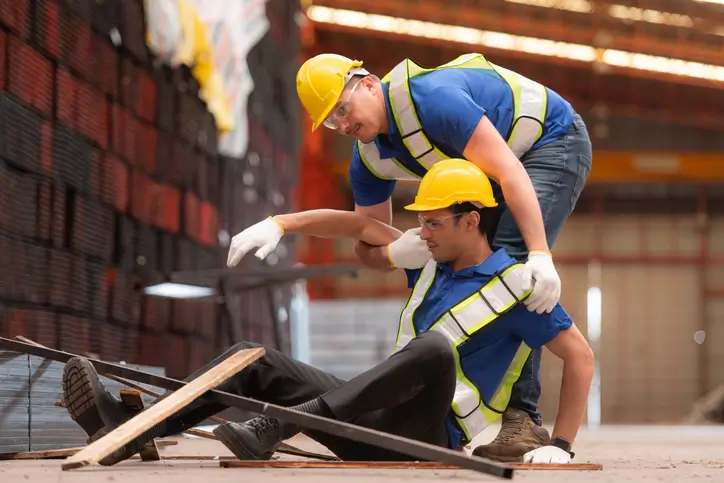
The Occupational Safety and Health Administration (OSHA) 30-Hour Construction Training is an in-depth safety program tailored for construction workers, foremen, and supervisors to enhance workplace safety awareness and adherence. This comprehensive course covers OSHA regulations, hazard recognition, fall protection, electrical safety, personal protective equipment (PPE), health hazards, and more. It educates workers on their rights, employer responsibilities, and preventive measures to minimize workplace accidents and injuries. The training emphasizes real-world scenarios, equipping participants with practical skills to identify and mitigate risks effectively. Upon completion, workers receive an OSHA 30-Hour Construction card, demonstrating their commitment to workplace safety and regulatory adherence. This program is crucial in creating a culture of safety, reducing job-site hazards, and implementing adherence with OSHA standards. The High Rate of Accidents in the Construction Industry The construction industry is one of the most hazardous sectors in the United States. According to the Bureau of Labor Statistics (BLS), in 2022, construction accounted for approximately 20% of all worker fatalities, despite representing only about 6% of the total workforce. The leading causes of construction-related deaths, commonly referred to as the “Fatal Four,” include falls, struck-by incidents, electrocutions, and caught-in/between accidents. Additionally, thousands of non-fatal injuries occur annually, leading to lost workdays, financial burdens, and long-term health complications. These alarming statistics highlight the need for effective safety training programs like OSHA’s 30-Hour Construction Training. Why Safety Training Is Essential for Construction Workers and Supervisors Safety training is critical for construction workers and supervisors to make sure they understand the risks associated with their job and how to mitigate them. Proper training provides workers with the ability to recognize potential hazards, use safety equipment correctly, and follow established procedures to prevent accidents. Supervisors, in particular, play a vital role in enforcing safety protocols and ensuring adherence with OSHA standards on job sites. Investing in safety training not only protects workers but also improves productivity and reduces costs associated with workplace injuries. Common Causes of Construction Site Accidents Understanding the common causes of construction site accidents is crucial in implementing effective preventive measures. Some of the most frequent causes include: Falls from heights: Ladders, scaffolding, and roofs present significant fall hazards. Struck-by incidents: Workers may be hit by falling objects, vehicles, or heavy equipment. Electrocutions: Exposure to live wires and improper use of electrical equipment are major risks. Caught-in/between accidents: Workers can be trapped between machinery, materials, or collapsing structures. Improper use of machinery and tools: Lack of training in operating heavy equipment leads to serious injuries. How OSHA 30-Hour Training Prevents Construction Site Accidents Increased Hazard Awareness The OSHA 30-Hour Training program emphasizes hazard recognition and risk assessment. Workers learn to identify potential dangers and take proactive measures to eliminate or control risks. By understanding how accidents occur and recognizing unsafe conditions, workers can make informed decisions that enhance workplace safety. Proper Use of Personal Protective Equipment (PPE) One of the fundamental aspects of the training is the correct selection, use, and maintenance of Personal Protective Equipment (PPE). Participants are educated on the importance of wearing hard hats, gloves, eye protection, and other PPE to minimize injury risks. Proper use of PPE significantly reduces the severity of accidents and exposure to harmful substances. Fall Protection and Safe Work Practices Falls are the leading cause of fatalities in the construction industry. OSHA’s training includes comprehensive instruction on fall prevention measures such as harness usage, guardrails, safety nets, and proper ladder and scaffolding setup. By adhering to these safety protocols, workers can minimize fall-related injuries and fatalities. Safe Handling of Machinery and Tools Operating heavy machinery and hand tools without proper training can result in severe injuries. The OSHA 30-hour course educates workers on the correct handling, maintenance, and storage of equipment. This includes training on lockout/tagout (LOTO) procedures, machine guarding, and avoiding common mechanical hazards that can lead to workplace accidents. Emergency Preparedness and Response Accidents and emergencies can happen despite all precautionary measures. The OSHA 30-Hour Training prepares workers to respond effectively in emergencies such as fires, medical incidents, and hazardous material spills. Workers learn how to implement emergency action plans, use fire extinguishers, administer basic first aid, and evacuate safely in the event of an emergency. Conclusion The OSHA 30-Hour Construction Training plays a crucial role in reducing construction site accidents by equipping workers and supervisors with the knowledge and skills necessary to maintain a safe work environment. By increasing hazard awareness, promoting proper use of PPE, emphasizing fall protection, ensuring safe equipment handling, and enhancing emergency preparedness, this training helps prevent injuries and fatalities on job sites. Employers who invest in OSHA training not only adhere with regulations but also contribute to a culture of safety that protects lives, reduces costs, and improves overall workplace efficiency.