
Why OSHA 30 Construction Is Essential in 2026

Construction safety standards are evolving rapidly, and 2026 is shaping up to be a critical year for the industry. With larger infrastructure projects, tighter deadlines, and increased regulatory scrutiny, construction sites are facing higher safety expectations than ever before. Climate-related risks, workforce turnover, and the use of advanced equipment are also contributing to new and complex hazards. In this environment, OSHA 30-Hour Construction training is no longer viewed as optional. It is increasingly becoming a baseline requirement for supervisors, foremen, and experienced workers to demonstrate safety competence and job-site readiness. Changing Construction Safety Landscape in 2026 Construction safety expectations are tightening as the Occupational Safety and Health Administration increases inspections and enforcement across high-risk job sites. Large-scale infrastructure projects, urban redevelopment, and government-funded construction are expanding, bringing stricter compliance requirements. At the same time, multi-employer worksites with multiple subcontractors are becoming more common, increasing coordination challenges and shared risk exposure. These shifts make comprehensive safety knowledge essential for supervisors and experienced workers in 2026. What OSHA 30 Construction Covers and Why It’s Critical Today The OSHA 30-Hour Construction course delivers in-depth training on the industry’s most serious hazards, including falls, struck-by incidents, caught-in/between risks, and electrical dangers. It emphasizes hazard recognition, employer and worker responsibilities, and practical methods for preventing accidents on complex job sites. Unlike entry-level safety courses, OSHA 30 offers advanced, scenario-based learning that is suited for leadership roles. In 2026, this deeper training will be critical as projects become increasingly complex and accountability standards continue to rise. Stronger OSHA Enforcement and Employer Expectations in 2026 In 2026, workplace safety enforcement is becoming more aggressive as the Occupational Safety and Health Administration increases inspections, raises penalty amounts, and applies stricter follow-up procedures after violations. Employers can expect less tolerance for incomplete safety programs, poor documentation, or untrained supervisors, especially on construction sites with repeat or high-risk activities. Fines for serious, willful, or repeated violations now represent a significant financial and reputational risk for construction companies of all sizes. At the same time, the OSHA 30-Hour Construction course is increasingly viewed as a minimum qualification for supervisors, foremen, and site leadership roles. Many contractors, project owners, and general contractors now require proof of OSHA 30 training before allowing individuals to oversee crews or manage jobsite operations. This trend is especially strong on public projects, union sites, and large commercial developments where compliance standards are closely monitored. There is also a growing expectation for documented safety competence on job sites. Employers are expected to demonstrate that supervisors understand hazard recognition, worker rights, and proper safety controls, not just verbally, but through training records and certifications. OSHA 30 helps meet this expectation by providing verifiable training that shows a clear commitment to safety leadership, regulatory compliance, and accident prevention in an increasingly regulated construction environment. Climate, Heat, and Environmental Risks in Construction Construction sites in 2026 are facing increased safety challenges due to rising temperatures, unpredictable weather patterns, and more frequent extreme conditions. Heat stress, dehydration, poor air quality, and sudden storms are becoming common risks, especially for outdoor crews and labor-intensive tasks. OSHA 30 Construction addresses these evolving hazards by covering heat illness prevention, environmental exposure awareness, and health-related risk management. The course helps workers recognize early warning signs and understand protective measures. This preparation is essential as climate-driven risks continue to affect jobsite safety and productivity. Workforce Changes and Safety Leadership Needs The construction industry is seeing an influx of new and younger workers, many of whom have limited job-site experience. At the same time, language barriers and diverse work backgrounds are increasing the likelihood of miscommunication and unsafe practices. OSHA 30 Construction provides a strong foundation in safety leadership, helping trained individuals guide less-experienced workers. The course emphasizes accountability, hazard recognition, and clear safety responsibilities. This makes OSHA 30-trained workers valuable anchors for maintaining consistent safety standards on evolving worksites. Role of OSHA 30 in Career Growth and Jobsite Access In 2026, OSHA 30 Construction has become more than just a safety training requirement; it’s a key credential that directly impacts career opportunities. Many public, union, and large-scale construction projects now require OSHA 30 for jobsite access, making it essential for workers seeking long-term employment. Contractors increasingly look for supervisors and foremen who have completed the course, as it demonstrates advanced knowledge of safety protocols and regulatory compliance. Completing OSHA 30 gives workers a competitive advantage for promotions, supervisory roles, and specialized assignments. It also enhances job mobility, enabling professionals to transition between projects and employers smoothly, while signaling a commitment to workplace safety and leadership. Why OSHA 30 Construction Is a Smart Investment in 2026 Investing in OSHA 30 Construction is a proactive way for employers and workers to reduce accidents, minimize downtime, and lower potential legal liabilities. The course helps foster a strong safety culture, promoting long-term workforce retention and accountability on-site. It also aligns with evolving compliance strategies, preparing teams for stricter OSHA inspections and climate-related hazards. Key benefits include: Enhanced jobsite safety through advanced hazard recognition Career advancement for supervisors and experienced workers Regulatory readiness for upcoming OSHA enforcement changes Conclusion As construction projects grow more complex and regulatory scrutiny increases, OSHA 30 Construction is an essential investment for both employers and workers in 2026. It equips employees with in-depth knowledge of hazards, compliance requirements, and safety leadership skills while improving career prospects and mobility. For employers, it supports a culture of safety, reduces accident-related downtime, and ensures readiness for stricter OSHA enforcement. In today’s evolving construction landscape, OSHA 30 is not just a training program; it’s a strategic tool for safer worksites and stronger careers.
What To Do After Getting OSHA 30 Training?
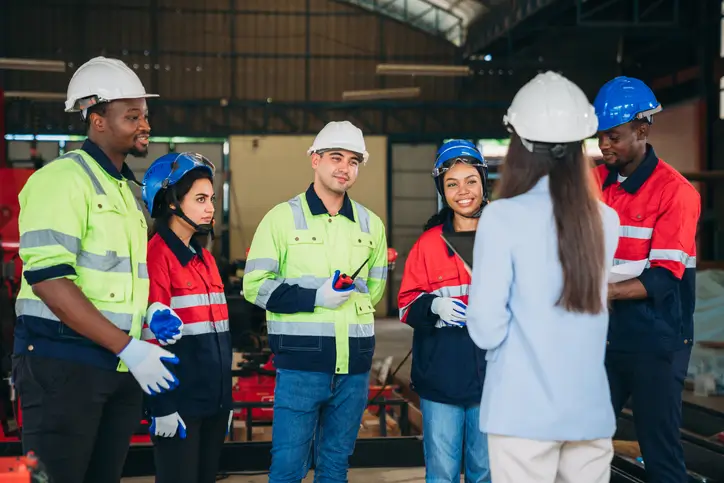
Congratulations on completing your OSHA 30-Hour Construction Training! That’s a major milestone in your safety education journey and a big step forward in your construction career. The OSHA 30 card isn’t just a piece of plastic—it represents advanced safety knowledge, a commitment to safe work practices, and eligibility for leadership roles in the construction industry. But don’t stop here. Earning your OSHA 30 card opens the door to new opportunities, and what you do next can determine how far you go. This article covers five practical steps you can take right now to make the most of your OSHA 30 training and continue building a strong, safe career. 1. Add It to Your Resume and Online Profiles Your OSHA 30 certification isn’t just a training milestone—it’s a valuable credential that employers actively look for. One of the first things you should do is update your professional documents and profiles to reflect your new qualification. How to do it: Resume: Add “OSHA 30-Hour Construction Safety and Health Training” under the Certifications or Professional Development section. Include the date completed and training provider if relevant. LinkedIn: Post about your achievement to let your network know, and add the credential to your Licenses & Certifications section. Job platforms: If you use websites like Indeed or Glassdoor, update your profile with the OSHA 30 credential. Recruiters often search by keywords like “OSHA 30 certified,” so this simple update could land you more job opportunities. By showcasing your OSHA 30 card, you demonstrate professionalism and a clear understanding of workplace safety standards—something employers value highly. 2. Apply for More Advanced Job Roles With an OSHA 30 card in hand, you’re not just another worker—you’re someone with advanced knowledge of workplace hazards, rights, responsibilities, and risk controls. Use that to your advantage. Potential roles to consider: Site Safety Coordinator Foreman or Lead Carpenter Safety Supervisor or Assistant Safety Officer Construction Site Manager Employers often view OSHA 30 certification as a sign of readiness for leadership and adherence-related tasks. If you’re already in a field role, this could be your opportunity to move up to a supervisory position. Even if you’re just starting, having OSHA 30 on your resume can help you stand out for apprenticeships or mentorship opportunities. Pro Tip: During interviews, don’t just mention that you have OSHA 30—talk about what you learned and how you apply it on the job. That kind of insight shows real value. 3. Check If You Need Additional Training (e.g., SST in NYC) While OSHA 30 is a powerful credential, it may not be the final requirement for working in some areas, especially in cities with strict local laws like New York City. For example: In NYC, OSHA 30 is only part of the required training under the Site Safety Training (SST) program. Workers typically need additional hours, like a total of 40 hours of SST training, which includes OSHA 30, plus 10 extra hours of specific topics. Supervisors may need even more—62 hours total. What to do: Visit your local or state Department of Buildings (DOB) website to check job-site-specific training rules. Ask your employer or site safety manager what additional training is required based on your role. If you’re in NYC, explore the NYC DOB’s SST information page for the latest updates. Taking a few minutes to double-check these requirements can save you from delays or disqualification on job sites. 4. Keep Your Card Safe and Know When to Refresh You worked hard for that OSHA 30 card—don’t lose it! Your card may be requested by: New employees during onboarding Jobsite adherence audits Union reps or site inspectors Keep the original card in a secure place, and consider carrying a photocopy or digital scan with you (on your phone or in your work folder). That way, you’re always ready to prove your certification. Do OSHA cards expire? Technically, no, OSHA 30 cards don’t have an official expiration date. However, many employers and unions recommend refresher training every 3 to 5 years, especially as standards change and new hazards emerge. Consider refreshing earlier if: You change roles or job sectors New safety regulations are introduced You haven’t taken any formal safety training recently Being proactive shows you take safety seriously, not just as a requirement, but as a career mindset. 5. Continue Learning & Stay Updated on Safety Standards Safety is an ongoing process, not a one-time class. To stay effective (and employable), continue learning. Here’s how: Toolbox Talks: Participate in daily or weekly safety talks at your worksite. These short sessions help reinforce lessons from your OSHA 30 training. Subscribe to OSHA Updates: Sign up for OSHA newsletters or alerts via OSHA.gov. You’ll get info on regulation changes, safety tips, and training opportunities. Take Additional Courses: Based on your job duties or risks on site, you might consider: Fall Protection Training Confined Space Entry Scaffolding Safety Fire Prevention or HAZWOPER Even a few hours of additional learning can help you avoid accidents and expand your skills. Bonus Tip: Encourage your team members to pursue OSHA 10 or OSHA 30 if they haven’t already. Promoting a culture of safety helps protect everyone on the job. Conclusion Your OSHA 30 certification is more than just a box checked—it’s a professional stepping stone that can unlock safer, better-paying, and more advanced career opportunities. Whether you’re just starting in construction or aiming to move into a supervisory role, how you use this training matters. So don’t stop now. Promote it. Apply it. Build on it. By staying informed and investing in ongoing learning, you’ll stand out as a safety-minded professional—and help create a safer, smarter construction workforce for everyone. And if you’re someone who still has completed the OSHA 30 training for Construction or General Industry, sign up today.
How OSHA 30-Hour Training Reduces Construction Accidents
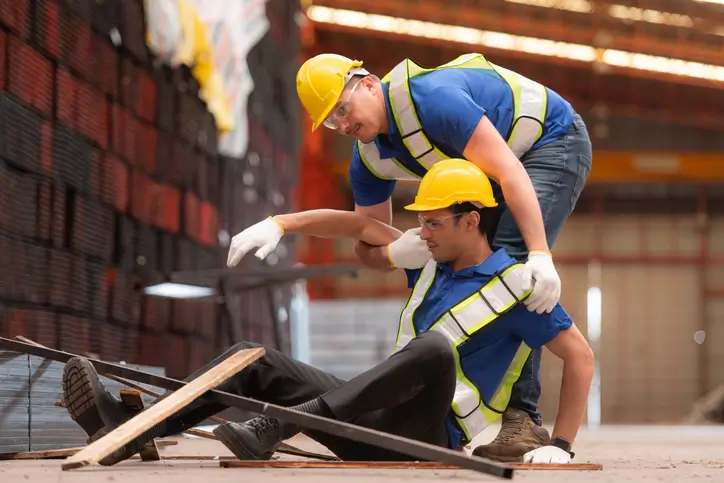
The Occupational Safety and Health Administration (OSHA) 30-Hour Construction Training is an in-depth safety program tailored for construction workers, foremen, and supervisors to enhance workplace safety awareness and adherence. This comprehensive course covers OSHA regulations, hazard recognition, fall protection, electrical safety, personal protective equipment (PPE), health hazards, and more. It educates workers on their rights, employer responsibilities, and preventive measures to minimize workplace accidents and injuries. The training emphasizes real-world scenarios, equipping participants with practical skills to identify and mitigate risks effectively. Upon completion, workers receive an OSHA 30-Hour Construction card, demonstrating their commitment to workplace safety and regulatory adherence. This program is crucial in creating a culture of safety, reducing job-site hazards, and implementing adherence with OSHA standards. The High Rate of Accidents in the Construction Industry The construction industry is one of the most hazardous sectors in the United States. According to the Bureau of Labor Statistics (BLS), in 2022, construction accounted for approximately 20% of all worker fatalities, despite representing only about 6% of the total workforce. The leading causes of construction-related deaths, commonly referred to as the “Fatal Four,” include falls, struck-by incidents, electrocutions, and caught-in/between accidents. Additionally, thousands of non-fatal injuries occur annually, leading to lost workdays, financial burdens, and long-term health complications. These alarming statistics highlight the need for effective safety training programs like OSHA’s 30-Hour Construction Training. Why Safety Training Is Essential for Construction Workers and Supervisors Safety training is critical for construction workers and supervisors to make sure they understand the risks associated with their job and how to mitigate them. Proper training provides workers with the ability to recognize potential hazards, use safety equipment correctly, and follow established procedures to prevent accidents. Supervisors, in particular, play a vital role in enforcing safety protocols and ensuring adherence with OSHA standards on job sites. Investing in safety training not only protects workers but also improves productivity and reduces costs associated with workplace injuries. Common Causes of Construction Site Accidents Understanding the common causes of construction site accidents is crucial in implementing effective preventive measures. Some of the most frequent causes include: Falls from heights: Ladders, scaffolding, and roofs present significant fall hazards. Struck-by incidents: Workers may be hit by falling objects, vehicles, or heavy equipment. Electrocutions: Exposure to live wires and improper use of electrical equipment are major risks. Caught-in/between accidents: Workers can be trapped between machinery, materials, or collapsing structures. Improper use of machinery and tools: Lack of training in operating heavy equipment leads to serious injuries. How OSHA 30-Hour Training Prevents Construction Site Accidents Increased Hazard Awareness The OSHA 30-Hour Training program emphasizes hazard recognition and risk assessment. Workers learn to identify potential dangers and take proactive measures to eliminate or control risks. By understanding how accidents occur and recognizing unsafe conditions, workers can make informed decisions that enhance workplace safety. Proper Use of Personal Protective Equipment (PPE) One of the fundamental aspects of the training is the correct selection, use, and maintenance of Personal Protective Equipment (PPE). Participants are educated on the importance of wearing hard hats, gloves, eye protection, and other PPE to minimize injury risks. Proper use of PPE significantly reduces the severity of accidents and exposure to harmful substances. Fall Protection and Safe Work Practices Falls are the leading cause of fatalities in the construction industry. OSHA’s training includes comprehensive instruction on fall prevention measures such as harness usage, guardrails, safety nets, and proper ladder and scaffolding setup. By adhering to these safety protocols, workers can minimize fall-related injuries and fatalities. Safe Handling of Machinery and Tools Operating heavy machinery and hand tools without proper training can result in severe injuries. The OSHA 30-hour course educates workers on the correct handling, maintenance, and storage of equipment. This includes training on lockout/tagout (LOTO) procedures, machine guarding, and avoiding common mechanical hazards that can lead to workplace accidents. Emergency Preparedness and Response Accidents and emergencies can happen despite all precautionary measures. The OSHA 30-Hour Training prepares workers to respond effectively in emergencies such as fires, medical incidents, and hazardous material spills. Workers learn how to implement emergency action plans, use fire extinguishers, administer basic first aid, and evacuate safely in the event of an emergency. Conclusion The OSHA 30-Hour Construction Training plays a crucial role in reducing construction site accidents by equipping workers and supervisors with the knowledge and skills necessary to maintain a safe work environment. By increasing hazard awareness, promoting proper use of PPE, emphasizing fall protection, ensuring safe equipment handling, and enhancing emergency preparedness, this training helps prevent injuries and fatalities on job sites. Employers who invest in OSHA training not only adhere with regulations but also contribute to a culture of safety that protects lives, reduces costs, and improves overall workplace efficiency.