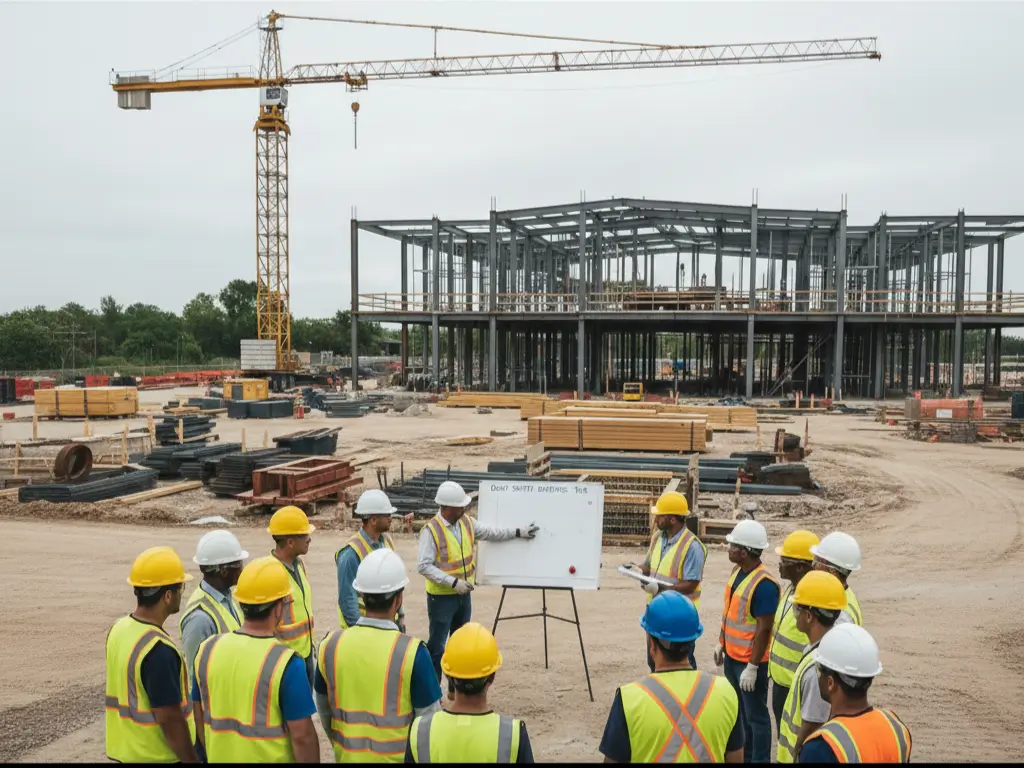
Construction safety standards are evolving rapidly, and 2026 is shaping up to be a critical year for the industry.
With larger infrastructure projects, tighter deadlines, and increased regulatory scrutiny, construction sites are facing higher safety expectations than ever before.
Climate-related risks, workforce turnover, and the use of advanced equipment are also contributing to new and complex hazards.
In this environment, OSHA 30-Hour Construction training is no longer viewed as optional.
It is increasingly becoming a baseline requirement for supervisors, foremen, and experienced workers to demonstrate safety competence and job-site readiness.
Changing Construction Safety Landscape in 2026
Construction safety expectations are tightening as the Occupational Safety and Health Administration increases inspections and enforcement across high-risk job sites.
Large-scale infrastructure projects, urban redevelopment, and government-funded construction are expanding, bringing stricter compliance requirements.
At the same time, multi-employer worksites with multiple subcontractors are becoming more common, increasing coordination challenges and shared risk exposure.
These shifts make comprehensive safety knowledge essential for supervisors and experienced workers in 2026.
What OSHA 30 Construction Covers and Why It’s Critical Today
The OSHA 30-Hour Construction course delivers in-depth training on the industry’s most serious hazards, including falls, struck-by incidents, caught-in/between risks, and electrical dangers.
It emphasizes hazard recognition, employer and worker responsibilities, and practical methods for preventing accidents on complex job sites.
Unlike entry-level safety courses, OSHA 30 offers advanced, scenario-based learning that is suited for leadership roles.
In 2026, this deeper training will be critical as projects become increasingly complex and accountability standards continue to rise.
Stronger OSHA Enforcement and Employer Expectations in 2026
In 2026, workplace safety enforcement is becoming more aggressive as the Occupational Safety and Health Administration increases inspections, raises penalty amounts, and applies stricter follow-up procedures after violations.
Employers can expect less tolerance for incomplete safety programs, poor documentation, or untrained supervisors, especially on construction sites with repeat or high-risk activities.
Fines for serious, willful, or repeated violations now represent a significant financial and reputational risk for construction companies of all sizes.
At the same time, the OSHA 30-Hour Construction course is increasingly viewed as a minimum qualification for supervisors, foremen, and site leadership roles.
Many contractors, project owners, and general contractors now require proof of OSHA 30 training before allowing individuals to oversee crews or manage jobsite operations.
This trend is especially strong on public projects, union sites, and large commercial developments where compliance standards are closely monitored.
There is also a growing expectation for documented safety competence on job sites.
Employers are expected to demonstrate that supervisors understand hazard recognition, worker rights, and proper safety controls, not just verbally, but through training records and certifications.
OSHA 30 helps meet this expectation by providing verifiable training that shows a clear commitment to safety leadership, regulatory compliance, and accident prevention in an increasingly regulated construction environment.
Climate, Heat, and Environmental Risks in Construction
Construction sites in 2026 are facing increased safety challenges due to rising temperatures, unpredictable weather patterns, and more frequent extreme conditions.
Heat stress, dehydration, poor air quality, and sudden storms are becoming common risks, especially for outdoor crews and labor-intensive tasks.
OSHA 30 Construction addresses these evolving hazards by covering heat illness prevention, environmental exposure awareness, and health-related risk management.
The course helps workers recognize early warning signs and understand protective measures.
This preparation is essential as climate-driven risks continue to affect jobsite safety and productivity.
Workforce Changes and Safety Leadership Needs
The construction industry is seeing an influx of new and younger workers, many of whom have limited job-site experience.
At the same time, language barriers and diverse work backgrounds are increasing the likelihood of miscommunication and unsafe practices.
OSHA 30 Construction provides a strong foundation in safety leadership, helping trained individuals guide less-experienced workers.
The course emphasizes accountability, hazard recognition, and clear safety responsibilities.
This makes OSHA 30-trained workers valuable anchors for maintaining consistent safety standards on evolving worksites.
Role of OSHA 30 in Career Growth and Jobsite Access
In 2026, OSHA 30 Construction has become more than just a safety training requirement; it’s a key credential that directly impacts career opportunities.
Many public, union, and large-scale construction projects now require OSHA 30 for jobsite access, making it essential for workers seeking long-term employment.
Contractors increasingly look for supervisors and foremen who have completed the course, as it demonstrates advanced knowledge of safety protocols and regulatory compliance.
Completing OSHA 30 gives workers a competitive advantage for promotions, supervisory roles, and specialized assignments.
It also enhances job mobility, enabling professionals to transition between projects and employers smoothly, while signaling a commitment to workplace safety and leadership.
Why OSHA 30 Construction Is a Smart Investment in 2026
Investing in OSHA 30 Construction is a proactive way for employers and workers to reduce accidents, minimize downtime, and lower potential legal liabilities.
The course helps foster a strong safety culture, promoting long-term workforce retention and accountability on-site.
It also aligns with evolving compliance strategies, preparing teams for stricter OSHA inspections and climate-related hazards. Key benefits include:
- Enhanced jobsite safety through advanced hazard recognition
- Career advancement for supervisors and experienced workers
- Regulatory readiness for upcoming OSHA enforcement changes
Conclusion
As construction projects grow more complex and regulatory scrutiny increases, OSHA 30 Construction is an essential investment for both employers and workers in 2026.
It equips employees with in-depth knowledge of hazards, compliance requirements, and safety leadership skills while improving career prospects and mobility.
For employers, it supports a culture of safety, reduces accident-related downtime, and ensures readiness for stricter OSHA enforcement.
In today’s evolving construction landscape, OSHA 30 is not just a training program; it’s a strategic tool for safer worksites and stronger careers.