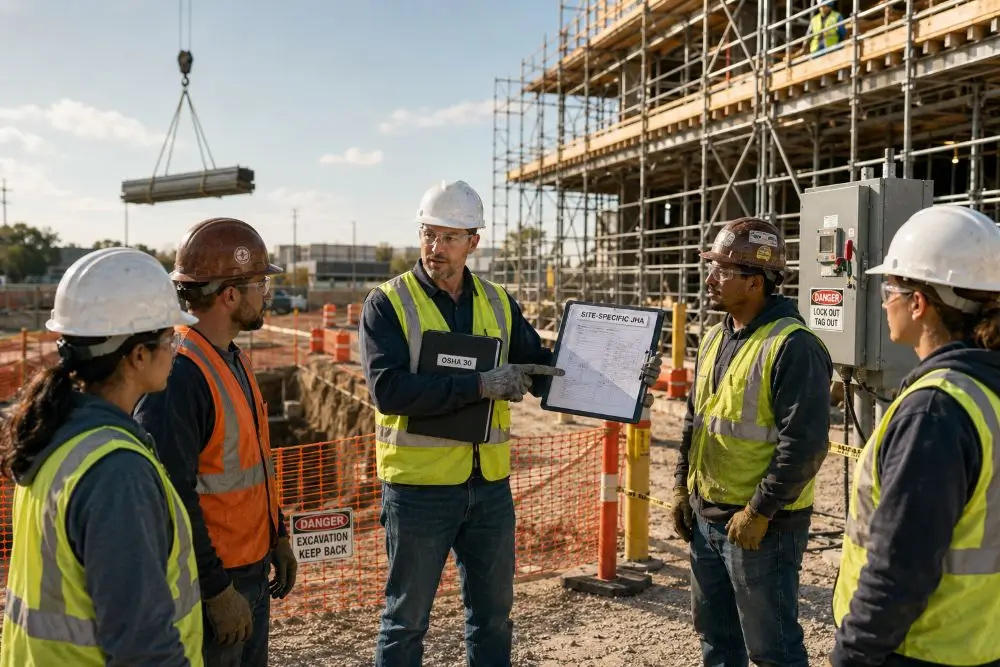
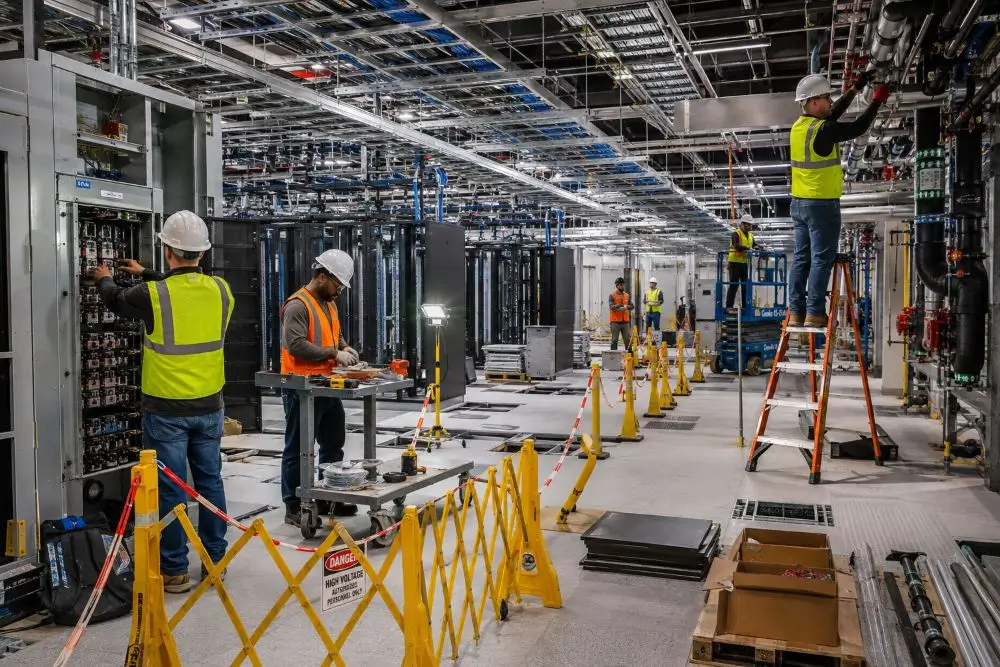
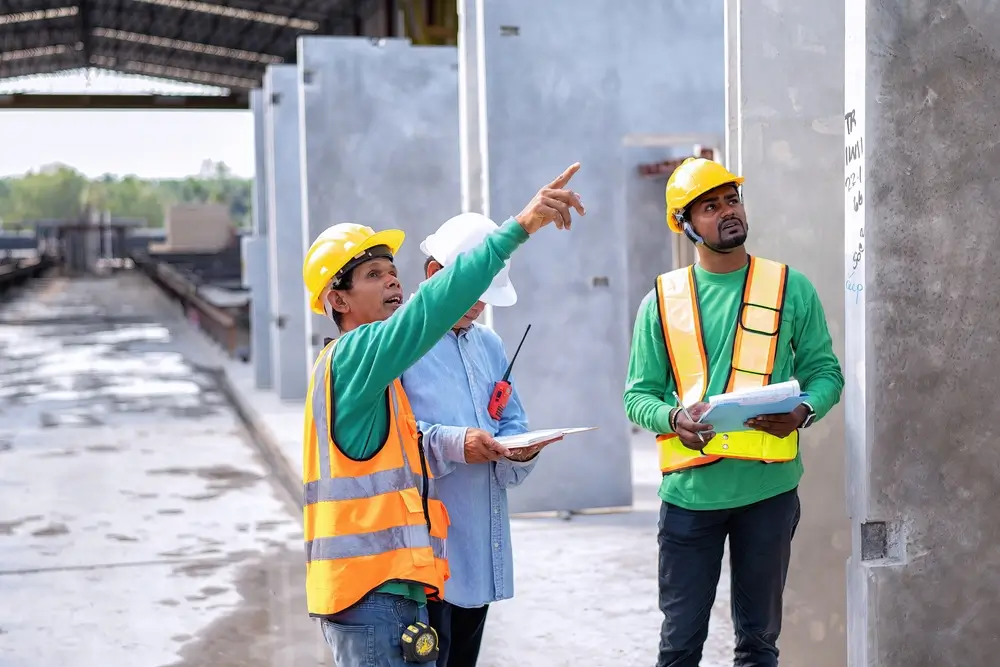
Construction sites are fast-paced environments where workers face multiple hazards daily, including heavy machinery, elevated platforms, and moving vehicles. In such a high-pressure setting, employees often lack the time to consult lengthy safety manuals or detailed protocols before performing a task. This is where simple, easy-to-remember safety rules make a real difference. Memory-based safety rules condense complex safety practices into short, repeatable guidelines that workers can recall instantly, helping prevent accidents before they happen. One such guideline that has gained recognition in the construction industry is the 20/20/20 Rule. This rule shows how a straightforward, repeatable safety habit can protect workers, reduce incidents, and promote a culture of proactive safety awareness on every job site. Read the blog to explore more about it.
2. The 20/20/20 Rule in Construction Safety
The 20/20/20 Rule is a simple and practical guideline that helps construction workers stay alert and aware of potential hazards. Every 20 minutes, workers take 20 seconds to scan 20 feet around their work area. This short pause allows them to notice dangers before they become accidents, keeping both themselves and their coworkers safer.
During the scan, workers should check for common hazards such as trip hazards, moving equipment, suspended loads, exposed electrical wires, and unprotected edges. Paying attention to these risks in small, frequent intervals helps prevent injuries and reduce damage to tools or materials.
The rule works because it builds situational awareness and interrupts “autopilot mode,” encouraging a proactive safety mindset. Supervisors can reinforce the practice during toolbox talks, pre-shift briefings, or daily safety meetings. Over time, adopting this habit can create a culture of vigilance, making the job site safer and improving overall efficiency. Small, repeatable actions like this often make the biggest difference in preventing accidents on busy construction sites
3-Point Contact Rule: A Simple Practice to Prevent Falls
The 3-Point Contact Rule is one of the simplest and most effective safety practices on construction sites. It requires workers to maintain three points of contact when climbing ladders, scaffolds, or equipment, either two hands and one foot, or two feet and one hand.
This practice helps prevent slips and falls, which are among the leading causes of injuries and fatalities in construction. By keeping three points of contact at all times, workers maintain stability and balance, reducing the risk of sudden slips. Supervisors should remind teams to follow this rule during training, toolbox talks, and whenever climbing tasks are performed. Its simplicity and practicality make it easy to adopt across all job sites, protecting workers from preventable accidents.
3. The 3-Point Contact Rule
One of the most well-known and effective safety principles in construction is the 3-Point Contact Rule. The rule is simple: always maintain three points of contact when climbing ladders, scaffolding, or heavy equipment.
This means you should have either two hands and one foot, or two feet and one hand in contact with the ladder or structure at all times. This constant contact provides stability and significantly reduces the chance of slipping or losing balance.
Workers should face the ladder when climbing, carry tools in a belt or hoist them separately, and avoid rushing. Even a brief moment with only two points of contact can lead to a fall.
In construction environments, where falls remain one of the leading causes of serious injuries, this simple rule can prevent life-altering accidents.
4. The 10-Foot Rule (Electrical & Equipment Awareness)
The 10-Foot Rule is a critical guideline for avoiding electrical hazards on construction sites. Workers and equipment operators should maintain at least 10 feet of distance from overhead power lines, especially when using cranes, lifts, scaffolding, or other tall equipment.
This rule works because it is simple to remember and provides a safe buffer against accidental contact with live electricity, which can be fatal. In some cases, the required distance may increase depending on the voltage of the power lines. Following the 10-Foot Rule helps prevent serious electrical injuries, ensures regulatory requirements, and reinforces a culture of safety for all personnel working near energized lines
5. The 100% Tie-Off Rule
When it comes to 100% Tie-Off Rule, it is a critical safety guideline for anyone working at heights on construction sites. It simply means that workers must be secured to an anchor point at all times when exposed to fall risks. There are no exceptions, shortcuts, or temporary disconnects allowed.
This rule is essential because falls remain one of the leading causes of injuries and fatalities in construction. By being tied off continuously, workers drastically reduce the risk of falling from scaffolds, ladders, roofs, or elevated platforms. It also reinforces a disciplined safety mindset, where taking shortcuts is not tolerated. Supervisors should emphasize this rule during safety briefings and ensure that harnesses, lanyards, and anchor points are inspected regularly. Following the 100% Tie-Off Rule protects lives and strengthens overall fall prevention practices on the job site
6. The 5-Second Rule for Situational Awareness
The 5-Second Rule is a simple but powerful safety habit for construction workers. Before starting any new task, take a brief pause for five seconds to assess your surroundings and potential risks. Ask yourself key questions: What can go wrong? What hazards are present? Do I have the proper PPE for this task?
This tiny pause may seem trivial, but it prevents rushed decisions that can lead to accidents. It reinforces a proactive safety mindset, encouraging workers to think before acting and recognize risks before they escalate. By making this micro-habit part of daily routines, crews become more alert, avoid preventable mistakes, and build a stronger culture of situational awareness on every job site.
7. The 1-Minute PPE Check
The 1-Minute PPE Check is a quick and effective habit that can save lives. At the start of each shift, spend one minute inspecting all personal protective equipment, including hard hats, gloves, safety glasses, harnesses, and high-visibility gear.
This small check ensures that every piece of equipment is in proper working order. Damaged or worn PPE can fail exactly when you need it most, leading to serious injuries. Regular, brief inspections help workers trust their gear, reinforce safety discipline, and prevent accidents before they happen, making it an essential part of daily construction routines.
How Simple Safety Rules Improve Construction Site Awareness
Construction sites are fast-paced and constantly changing, which can make it challenging for workers to stay alert. Stress, fatigue, and tight deadlines reduce decision-making abilities, increasing the risk of accidents. Simple numeric rules, like 20/20/20 or the 5-Second Rule, are easy to recall and act on, even under pressure. These concise safety reminders reinforce formal training by keeping critical safety habits at the forefront of daily tasks. By using easy-to-remember rules alongside structured education, crews develop stronger situational awareness, proactively identify hazards, and maintain safer job sites.
8. Why Easy-to-Remember Rules Work on Construction Sites
While these easy safety rules are powerful, they are not a replacement for comprehensive training. Instead, they serve as daily reminders that keep workers focused and aware of potential risks. Strong safety habits start with awareness, and numeric or micro-rules help crews maintain consistent vigilance. When paired with proper OSHA training and site-specific procedures, these simple rules significantly reduce accidents and reinforce a culture of safety that protects workers, prevents injuries, and promotes efficiency across construction sites